
Technical SEO plays a critical role in ensuring your website is optimized for search engines to crawl, index, and rank efficiently. Without it, even the best content and strongest backlink profile may struggle to perform in search results.
Let’s dive into what technical SEO is, why it matters, and how it differs from other key SEO strategies like on-page SEO, off-page SEO, and local SEO.
What is technical SEO and why is it important?
Technical SEO refers to the behind-the-scenes optimizations that make a website search-engine-friendly. It focuses on improving website performance, security, and structure to enhance search visibility and user experience.
Key Aspects of Technical SEO
Technical SEO ensures that a website is optimized for search engines to crawl, index, and rank effectively. Key elements include:
- website speed
- mobile-friendliness
- crawlability & indexability
- structured data (schema markup)
- HTTPS security
- Canonical tags
Together, these factors create a strong foundation for higher search rankings and improved website performance. Let’s break them down further.
Website Speed & Performance
Faster load times improve both user experience and search engine rankings. Google prioritizes websites that load in under three seconds, as slow-loading pages lead to higher bounce rates and lower engagement. To enhance site speed, webmasters can optimize images, implement caching strategies, and minify code. These adjustments ensure a smoother browsing experience, making it easier for visitors to navigate and interact with the content.

Mobile-Friendliness
A mobile-friendly website is essential for reaching a broader audience and improving search visibility. A responsive design ensures that a site adapts seamlessly across different devices, providing a consistent experience for users. Google uses mobile-first indexing, meaning it evaluates and ranks sites based on their mobile versions first. Websites that are not optimized for mobile may suffer in rankings, making mobile responsiveness a key factor in SEO success.

Crawlability & Indexability
For a website to appear in search results, search engines must be able to crawl and index its pages efficiently. Proper site structure, optimized robots.txt files, XML sitemaps, and strong internal linking all contribute to better indexability. These elements help search engines understand the relationships between different pages, ensuring that important content is discoverable and ranked appropriately.

Structured Data (Schema Markup)
Structured data, also known as schema markup, enhances how search engines interpret website content. By adding schema, businesses can enable rich snippets in search results, such as star ratings, FAQs, and recipe cards. These enhanced results make listings more appealing, increasing the chances of earning higher click-through rates (CTR).
HTTPS & Website Security
Security is a crucial ranking factor, and HTTPS encryption (SSL certificates) signals to both users and search engines that a website is safe. Google prioritizes secure websites, giving them a ranking advantage over non-secure (HTTP) sites. Besides boosting SEO, HTTPS protects user data, builds trust, and prevents potential security breaches, making it an essential component of technical SEO.

Canonical Tags & Duplicate Content Handling
Duplicate content can confuse search engines and lead to ranking penalties or dilution of SEO value. Canonical tags help resolve this issue by specifying the preferred version of a webpage, ensuring that search engines understand which URL should be indexed. By managing duplicate content effectively, websites can consolidate ranking signals and prevent unwanted content competition within search results.

Why Technical SEO Matters
A website that is slow, difficult to navigate, or improperly indexed will struggle in search rankings. Technical SEO ensures:
- Search engines can properly access and rank your pages.
- Users have a seamless experience, leading to lower bounce rates.
- Your site is optimized for speed, security, and usability.
Without technical SEO, even the best content might remain invisible to search engines and users.
Difference between on-page and off-page SEO
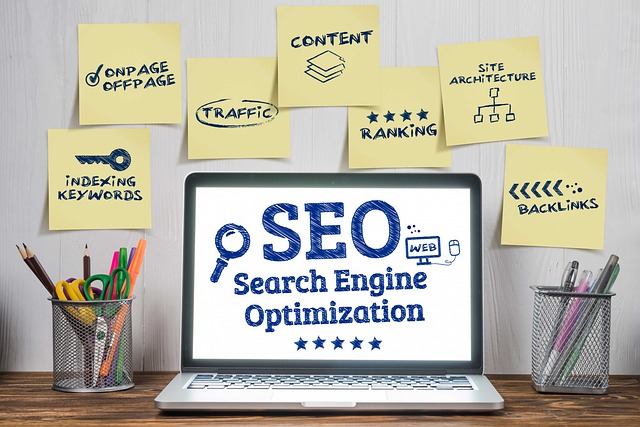
SEO consists of three main categories: technical SEO, on-page SEO, and off-page SEO. While technical SEO deals with site infrastructure, the other two focus on content and external signals. Let’s breakdown the other two aspects of SEO.
On-Page SEO (Optimizing Elements Within Your Website)
On-page SEO includes all the optimizations made directly on a website to improve its rankings and visibility. Keyword optimization ensures that relevant keywords are naturally placed within content, helping search engines understand its relevance. Meta titles and descriptions play a crucial role in attracting clicks by crafting compelling, keyword-rich snippets for search results.
Proper use of header tags (H1, H2, H3, etc.) structures content for readability and enhances user experience. Internal linking improves site navigation by connecting related pages, distributing SEO value, and helping search engines crawl the site efficiently.
Lastly, image optimization, through compression and alt tags, enhances loading speed and accessibility, further strengthening on-page SEO performance.
Off-Page SEO (Building External Authority & Trust)
Off-page SEO involves actions taken outside of your website to improve its rankings and authority. Backlinks from authoritative websites signal to search engines that your content is valuable and trustworthy, boosting its ranking potential. Social media engagement helps drive traffic and increase brand awareness by sharing content across platforms. Guest blogging on reputable sites provides exposure and high-quality backlinks, further enhancing credibility. Additionally, brand mentions on forums, blogs, and media outlets contribute to search engine trust signals, reinforcing brand authority.
Both on-page and off-page SEO work together to strengthen a website’s relevance, ensuring better visibility, higher rankings, and increased organic traffic.
What is Local SEO and How Does It Work?
Local SEO is a specialized branch of SEO aimed at improving visibility for businesses targeting local customers. It helps businesses appear in local search results, Google Maps, and “near me” searches.
How Local SEO Works
Effective Google Business Profile (GBP) optimization is crucial for local SEO success. Businesses should claim and verify their GBP listing, ensuring NAP (Name, Address, Phone) information remains consistent across all platforms. Adding business hours, services, and encouraging customer reviews helps establish credibility and improve local rankings.
Local keyword targeting enhances visibility by incorporating location-based keywords (e.g., “best coffee shop in Chicago”) within website content, meta tags, and blog posts to attract local search traffic. Building local citations and directory listings on platforms like Yelp, Yellow Pages, and TripAdvisor ensures businesses appear in trusted sources. Keeping business details accurate across all listings helps reinforce credibility with search engines.
Customer reviews and reputation management play a key role in local SEO. Encouraging satisfied customers to leave positive reviews and actively responding to all feedback (both positive and negative) demonstrates engagement and builds trust with potential customers.
Finally, localized content creation helps establish authority in the community. Writing blogs, guides, and highlighting local events, partnerships, or sponsorships can improve local search rankings and drive targeted traffic to the business.
Why Local SEO Matters
Local SEO helps businesses attract nearby customers who are actively searching for services. Studies show that 46% of all Google searches are local, making it a must-have strategy for businesses with physical locations.
Final Thoughts
SEO requires a strong technical foundation, on-page optimization, and off-page strategies to achieve success. A well-rounded approach ensures that search engines can properly index and rank your website while also enhancing user experience and credibility. The key takeaways:
- Technical SEO ensures search engines can crawl, index, and rank your website efficiently.
- On-page SEO optimizes content, meta tags, and website structure to improve rankings.
- Off-page SEO builds authority through backlinks, social engagement, and brand mentions.
- Local SEO enhances visibility for businesses targeting location-based customers.
By implementing a well-rounded SEO strategy, businesses can improve rankings, attract more traffic, and convert visitors into customers. Would you like to conduct a technical SEO audit for your website?
Let’s get started.

 Freelance Web Writer
Leave a comment