

1 billion daily Google searches are related to health and wellness topics.
Optimizing a health product page for SEO is critical to ensuring your audience can find your offerings in a crowded online marketplace. It’s about creating a page that’s technically sound, user-friendly, and filled with valuable content that ranks well on Google. Regularly audit your keyword performance and adjust based on shifts in search intent and competitive data.
For instance, a case study in the women’s wellness sector demonstrated a 440% increase in keywords ranking in the top 10 search results and a 21% boost in organic traffic over six months. Here’s a detailed, step-by-step guide to optimizing your health product page, backed by research and best practices.
Identify High-intent Phrases

A user’s readiness to convert depends on targeting the right search terms, not just those with high volume. Transactional keywords signal intent to buy, while informational keywords attract users still researching. By aligning your content with the searcher’s intent, you provide relevant information that meets their needs, thereby increasing the likelihood of conversion.
- For product pages, prioritize transactional terms like “buy organic protein powder” or “best price for standing desk.” These indicate immediate purchase intent.
- For blog content, focus on informational queries such as “how to choose a protein powder” to attract potential buyers early in their journey.
- For instance, terms like “buy,” “order,” “purchase,” “discount,” “deal,” “coupon,” and specific product names or model numbers often signal strong purchase intent.

Distinguishing between informational, navigational, and transactional intent ensures your content matches what users are ready to do. High-intent keywords are often more competitive and require a more strategic approach to effectively target them. Therefore, it’s beneficial to blend these with other types of keywords in your overall strategy.
By focusing on high-intent keywords, businesses can attract qualified leads and drive conversions.
Craft High-Performance Metadata

Metadata optimization is often ignored, but it plays a key role in boosting click-through rates (CTR) and improving search rankings. Well-crafted metadata makes your listing stand out in search results and encourages users to click.
Optimize title tags and meta descriptions with:
- Primary keywords like “organic coffee beans” instead of vague terms like “best coffee”
- Product benefits such as “gluten-free, high-protein snack” to highlight value
- Urgency drivers like “Limited stock – order today” to increase conversions
For e-commerce sites, use dynamic metadata to personalize listings based on product attributes. Instead of a generic title, show “Nike Air Zoom Running Shoes – Black, Size 10” to improve relevance and engagement.
Enhance Structured Data Markup
Schema markup is essential for e-commerce product pages, especially in the health industry, where consumers rely on accurate information before making a purchase.
- Use Product Schema to generate rich results. Include fields like price, availability, SKU, and brand so search engines can display key product details. A listing that shows “In Stock – $29.99 – Brand: Nature’s Best” attracts more clicks than a generic product title.
- Add FAQ Schema to answer common customer questions directly in search results. Instead of waiting for users to click, provide answers upfront. For example, use “What are the benefits of organic turmeric capsules?” to highlight key selling points.
- Include Review and Rating Schema to improve trust and CTR. A product with a 4.8-star rating from 1,200 reviews is far more compelling than one with no visible feedback.
Enhancing structured data markup boosts visibility, trust, and click-through rates for e-commerce product pages. Using Product, FAQ, and Review Schema helps search engines display key details, answer common questions, and highlight customer feedback. Optimizing these elements attracts high-intent shoppers and increases conversions.
Scale Content With Data-Driven Strategies

Health product pages require content that balances user needs, compliance, a Health product pages must balance user needs, regulatory compliance, and search engine visibility. Using advanced content strategies ensures growth without sacrificing accuracy or trust.
- Use topic clustering to strengthen authority. Create pillar content like “The Ultimate Guide to Turmeric Benefits” and connect it to product pages. Internal linking signals relevance to search engines and keeps users engaged.
- Align content with the buyer’s journey. Add sections such as “How It Works,” “Who Should Use This,” and “Clinical Research” to answer pre-purchase questions and reduce hesitation.
- Optimize for E-A-T to build credibility. Feature medical experts as contributors, cite peer-reviewed studies, and display third-party testing certifications. These elements reinforce trust with both users and search engines.
Test and refine content for better performance. Run A/B tests to measure how content updates impact conversion rates and engagement. For example, test whether adding customer testimonials to a product page increases purchases.
Focus on Visual SEO Optimization
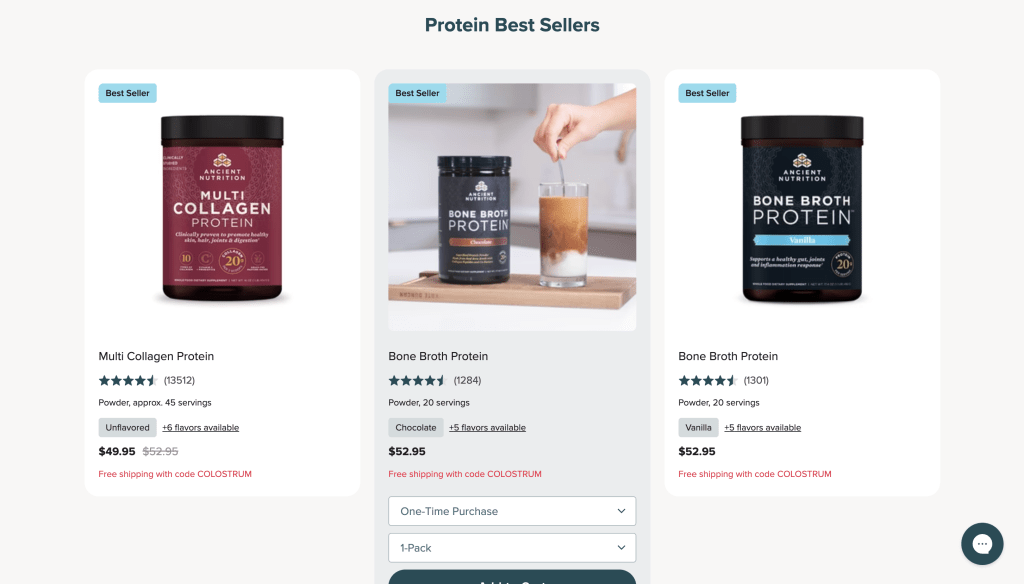
Visual content garners 94% more views than text-only content, highlighting its effectiveness in capturing audience attention. Images and videos are essential for showcasing health products and improving search rankings. When optimized correctly, they enhance user experience and drive organic traffic.
- Optimize images for faster loading and better rankings. Use WebP or AVIF formats to reduce file size without losing quality. Rename files descriptively, such as “turmeric-capsules-benefits.jpg” instead of “IMG12345.jpg.” Write alt text that describes both the image and its relevance, such as “Organic turmeric capsules with anti-inflammatory benefits.”
- Use Video SEO to expand reach and engagement. Host product videos on YouTube to capture additional search traffic. Embed video schema markup so search engines can display video thumbnails in results, increasing click-through rates.
- Improve site speed with lazy loading. Load images and videos only when they enter the user’s viewport. This reduces initial page load time, improving both SEO and user experience.
Google favors fast, multimedia-rich content in search rankings, especially on mobile devices. Pages with optimized visuals rank higher and keep visitors engaged longer. Videos are featured in 62% of Google’s worldwide searches, underscoring the importance of visual elements in search engine visibility.
By optimizing images and videos with relevant keywords and metadata, businesses can improve their search rankings and attract more visitors.
Create an Internal Linking Framework
A strong internal linking strategy helps search engines crawl your site efficiently, distributes link equity, and increases user engagement. When done correctly, it guides visitors to relevant content and improves conversions.
- Use contextual links to connect related content. Link to blog posts, FAQs, or complementary products within product descriptions. Instead of simply saying “Learn more,” write “Learn more about turmeric’s anti-inflammatory benefits in our in-depth guide.”
- Implement breadcrumb navigation for better usability. Add breadcrumb schema to help users navigate your site easily and give search engines a clear view of your site structure. A breadcrumb trail like “Home > Supplements > Turmeric Capsules” improves both SEO and user experience.
- Monitor and optimize internal link distribution. Use tools like Screaming Frog to track how link equity flows through your site. Identify and fix orphan pages that lack internal links, ensuring every important page gets indexed.
Keep your links updated as your site evolves. When adding new products or restructuring content, update internal links to reflect the latest information and maintain a seamless user journey.
Leverage User-Generated Content (UGC)
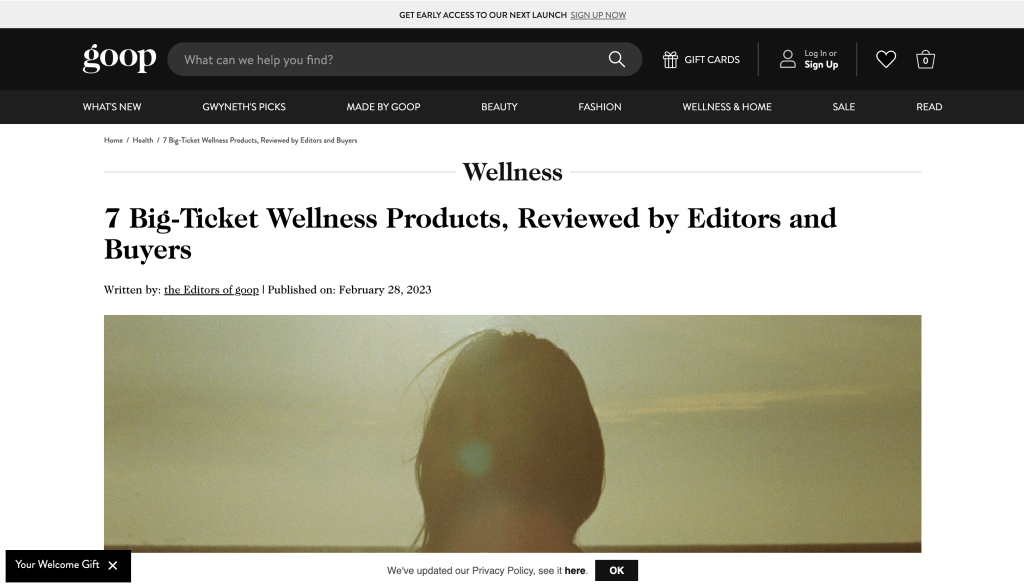
User-generated content, including reviews, testimonials, and Q&A sections, enhances engagement and improves search rankings by keeping content fresh and keyword-rich.
- Feature in-depth reviews that include relevant keywords. Display detailed customer reviews directly on the product page. Encourage users to be specific, such as “These turmeric capsules helped reduce my knee pain in two weeks.”
- Add a Q&A section to answer customer concerns. Address common questions on the product page to remove buying hesitation. Questions like “Are these capsules vegan?” or “How long before I see results?” help potential buyers feel confident in their purchase.
- Encourage customers to share photos and videos. Ask users to upload images of themselves using the product. A picture of a customer holding a bottle of turmeric capsules builds trust far more than a stock image.
UGC adds valuable, real-world content that Google prioritizes. It increases engagement, improves rankings, and builds authenticity, making it easier for new customers to trust your brand.
Monitor and Refine Analytics
Continuous optimization is essential for staying ahead of competitors and maximizing performance. Use data-driven insights to refine your strategy and improve conversions.
- Analyze heatmaps and session replays to uncover user behavior. Tools like Hotjar and Crazy Egg show where users click, scroll, and drop off. If visitors abandon the page before reaching the CTA, reposition key elements for better engagement.
- Track conversions and e-commerce performance. Set up goals in Google Analytics 4 to monitor sales, add-to-cart rates, and bounce rates. Identify which product pages convert best and apply those insights across your site.
- Monitor SERP performance to improve rankings. Use tools like SEMrush and Ahrefs to track keyword positions, click-through rates, and competitor benchmarks. If a page loses rankings, analyze the top-performing competitors and adjust content accordingly.
Leverage predictive analytics to forecast growth. Use historical data to anticipate traffic and revenue shifts based on seasonality, algorithm updates, and campaign changes. This allows you to make proactive adjustments rather than reactive fixes.
Wellness Product Page SEO Conclusion
Success comes from continuous testing and refinement. Small, intentional improvements such as optimizing CTAs, enhancing product descriptions, and aligning content with high-intent keywords can significantly impact engagement and sales.
Your audience is searching for solutions. Make it easy for them to find, trust, and choose you.
Discover your messaging opportunities today.

 Freelance Web Writer
Leave a comment