
When was the last time you made a purely logical decision? Maybe you compared brands, evaluated prices, or analyzed features.
But let’s be honest, what tipped the scales? Was it the sleek design of the product, the way it made you feel, or the story behind the brand?
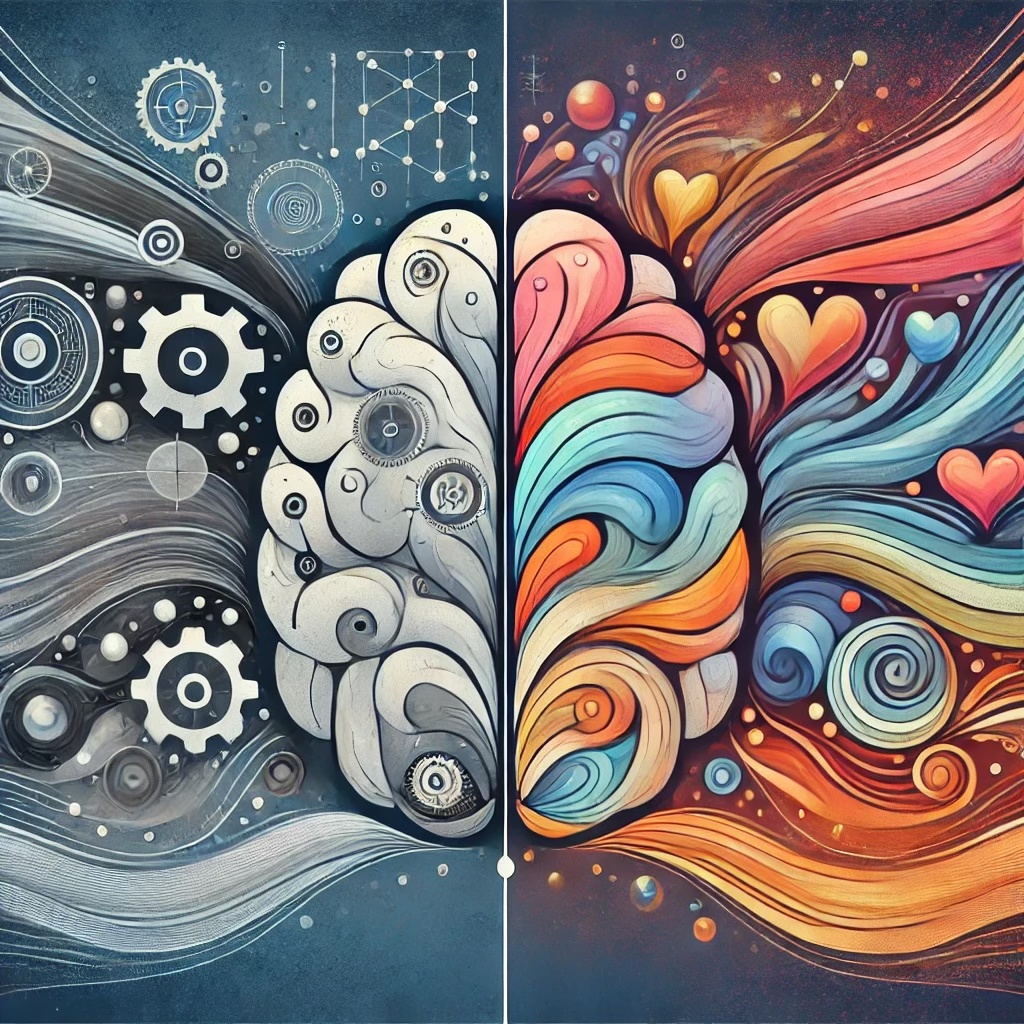
Emotions, not logic, are at the heart of decision-making. From impulse buys to life-changing investments, our choices are guided by feelings first and rationalized second. Research indicates that emotional factors drive up to 95% of purchasing decisions, underscoring the importance of emotional connections in marketing strategies. Here’s why emotions are the secret ingredient in every decision—and how you can harness them in your marketing strategy.
The Science Behind Emotional Decisions
Research in neuroscience has uncovered a surprising truth: emotions play a crucial role in decision-making. Dr. Antonio Damasio, a leading neurologist, discovered that people with damage to the emotional centers of their brain struggle to make even simple choices.
Why? Without emotions, there’s no clear signal of what “feels right.”
Even seemingly logical decisions like picking a reliable car are influenced by emotional factors. Safety features evoke a sense of security. Sleek design triggers pride. Advertisements that show families enjoying a road trip tug at your heartstrings.
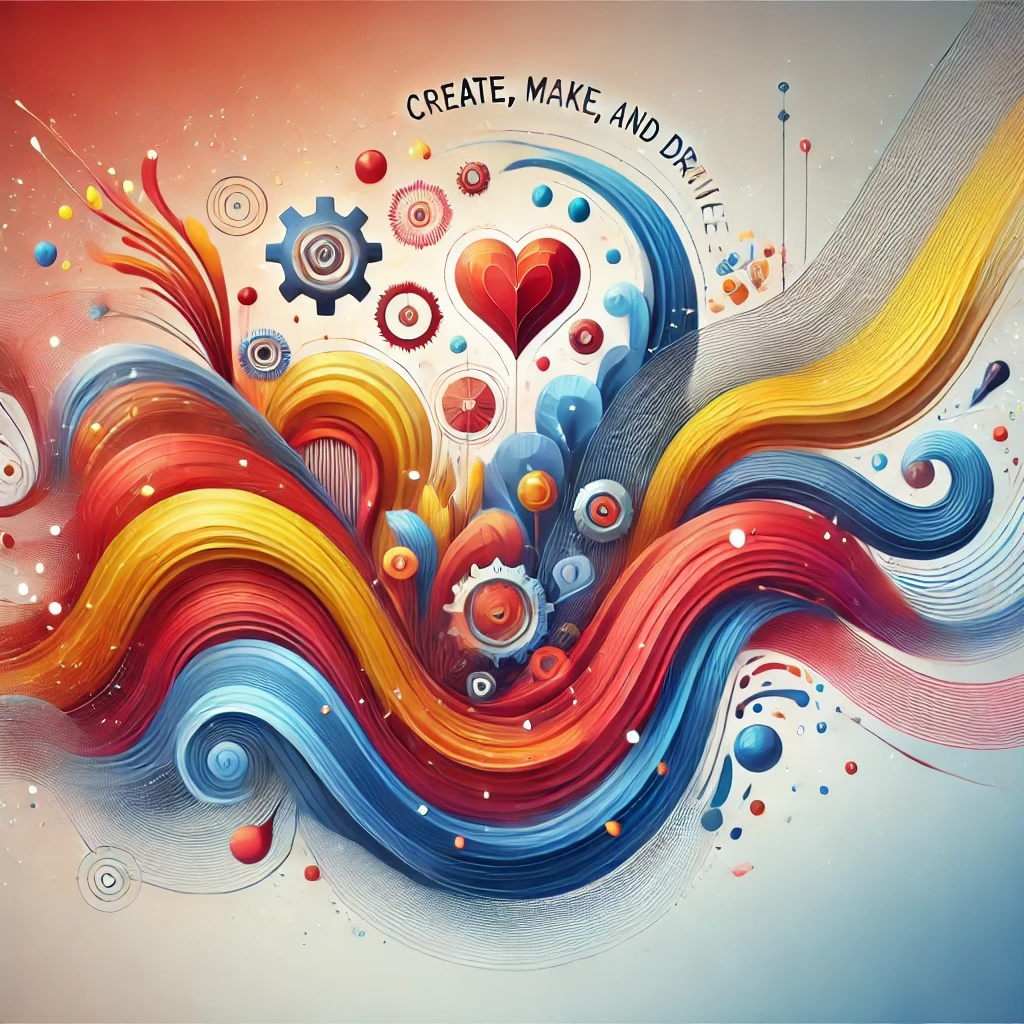
Emotions Create, Make, and Drive
The best health and wellness brand sell ideas: innovation, perseverance, and self-love. Advertising uses stories to engage the heart. Your messaging sticks when you pair it with data. Each emotion like happiness, fear, and excitement triggers a different response.
A sense of urgency (fear of missing out) can prompt immediate purchases, while feelings of joy or nostalgia encourage customers to linger and explore your offerings.
For example, urgency prompts quick purchases, while joy and nostalgia encourage customers to linger, explore, and engage with your brand.
Real-World Examples of Emotional Marketing
MyFitnessPal’s Celebrating Small Wins
MyFitnessPal’s campaigns focus on the joy of achieving health milestones, like losing a few pounds, hitting a step goal, or preparing a balanced meal for the first time. By highlighting real user stories, they tap into the emotions of pride and self-accomplishment, showing that wellness is a journey worth celebrating.
Dove’s Real Beauty, Real Strength
Dove’s wellness-focused campaigns emphasize self-love and confidence, particularly for women navigating body image challenges. Their stories of women embracing their natural beauty and physical strength foster a deep emotional connection and inspire audiences to prioritize holistic well-being.
Peloton’s Empowerment Through Movement
Peloton ads focus less on the equipment itself and more on the feeling of empowerment and accomplishment its users experience. Whether it’s the exhilaration of completing a tough workout or the camaraderie of a live class, Peloton’s messaging evokes pride, joy, and motivation, making fitness feel like a personal victory.
Adidas’ “Run to Reconnect” Campaign (2020)
Adidas launched a well-being campaign featuring documentary-style videos of everyday runners sharing how running helps them manage modern life’s stresses. The campaign included guided mindfulness runs and meditations, promoting mental health through physical activity.
How to Tap Into Emotions in Your Marketing
It’s about how those offerings make your audience feel and motivate your audience to take the next step. Here’s a practical guide to leveraging emotions effectively in your marketing.
1. Understand Your Audience’s Emotional Triggers
What matters most to your audience? Their dreams, fears, and frustrations? Craft messages that tap into these emotional drivers. For instance, a fitness brand might focus on the pride of achieving a goal or the relief of overcoming health challenges.
Understanding Your Audience Tips
- Conduct surveys
- Engage in social listening
- Analyze customer reviews to uncover these emotional insights
2. Tell Stories Showcasing the Features
Stories are gateways to emotion. Share customer journeys, behind-the-scenes moments, or the mission that drives your brand. For example, Patagonia’s stories of environmental activism make customers feel like they’re contributing to a greater cause with every purchase.
- Feature: “Our protein shake has 20 grams of protein.”
- Benefit: “Feel stronger and more energized to tackle your day.”
Tell Stories Tips:
A fitness brand could share a story of someone who overcame self-doubt to run their first 5K, thanks to the brand’s training app.
A wellness brand could create a hashtag campaign, encouraging customers to share their fitness journeys and connect with others. Instead of overpromising, focus on the achievable: “One small change today can lead to a healthier you tomorrow.”
Structure your story this way:
- The Problem: Start with a relatable struggle or pain point.
- The Transformation: End with the positive change your audience seeks.
- The Solution: Show how your product provides relief or joy.

3. Thoughtfully Use Imagery and Design
Colors, visuals, and design evoke instant feelings. Warm tones can create a sense of comfort, while bold designs convey energy and excitement. Pair these with compelling visuals, like before-and-after photos or scenes that reflect your audience’s aspirations.
Imagery and Design Tips:
A wellness brand might feature a before-and-after image of someone who adopted healthier eating habits with their guidance.
4. Incorporate Emotional Language
Words like “imagine,” “feel,” or “discover” help your audience visualize and emotionally connect to your message.
Shift from Facts to Feelings:
Swap dry descriptions for vivid, sensory details: instead of saying “our product saves time,” try “our product gives you more time to enjoy the moments that matter.”
Instead of “Our app tracks your steps,” say: “Feel the pride of hitting your daily step goal.” Instead of “Save time with our meal kit,” say: “Enjoy more moments at the dinner table with your family.”
The Risks of Ignoring Emotions
Failing to engage emotions can make your brand forgettable. Customers may see your product, but without an emotional connection, they’ll struggle to remember why they should care. Worse, overly rational messaging can make your brand seem cold or distant.
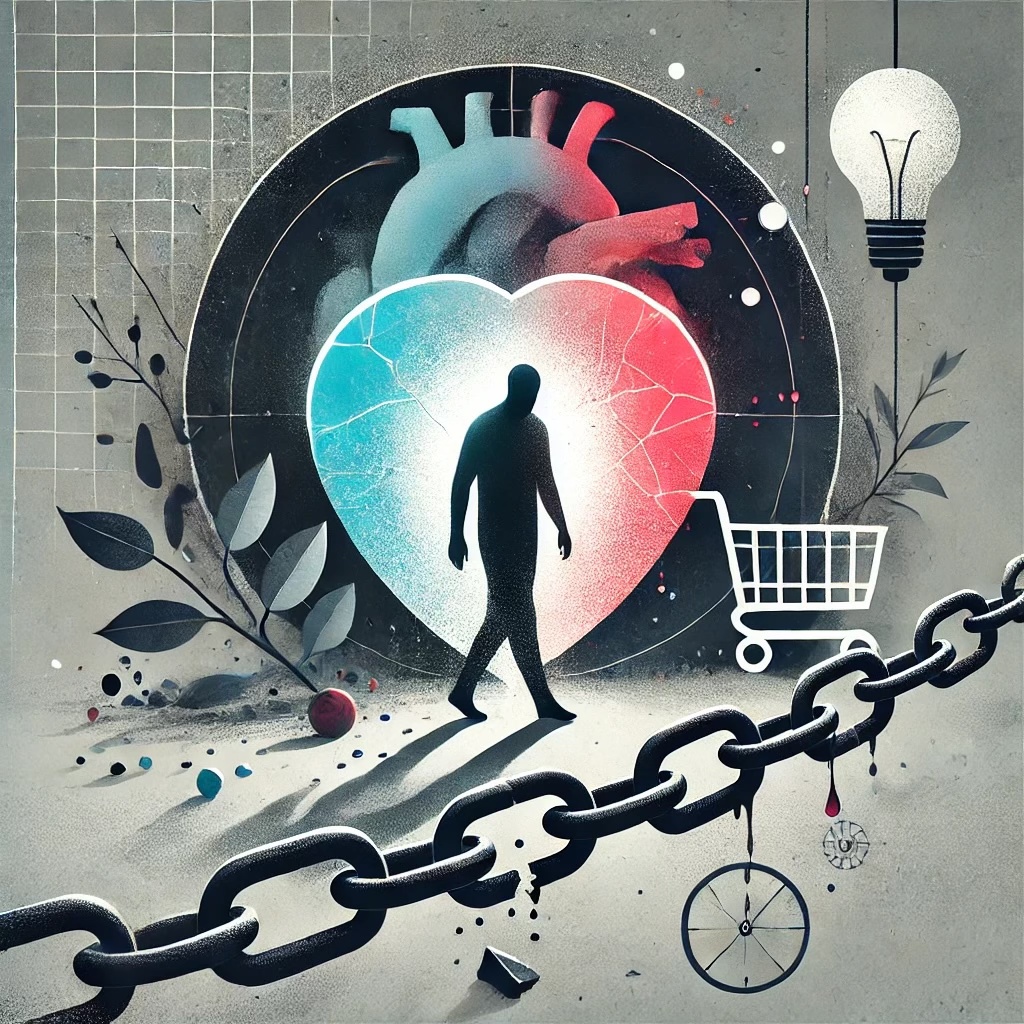
By contrast, when you lead with emotion, you create lasting impressions that drive loyalty and action. Feel the energy you’ve been missing. Join our program today and take the first step toward a healthier you.
Test, Measure, and Refine
Not all emotional appeals will resonate equally with your audience. Experiment with different approaches—stories, visuals, and calls-to-action—and track engagement to see what works best.
- Measure clicks, shares, comments, and conversions.
- Use A/B testing to refine your messaging and visuals.

The Power of Emotion in Marketing
Emotions drive decisions. You can create marketing that not only stands out but also drives meaningful action by:
- understanding your audience
- telling relatable stories
- using visuals and language that connect on a deeper level,
Ready to craft campaigns that speak to the heart? Start by asking: What do I want my audience to feel and how can I make that feeling unforgettable?
Discover your messaging opportunities today.

 Freelance Web Writer
Leave a comment