
SEO (Search Engine Optimization) in 2025 focuses on AI-driven strategies, user intent, and personalization. With Google’s evolving algorithms, search results are more dynamic, and ranking factors prioritize user experience, helpful content, and advanced search features like voice and visual search.
Key SEO Trends in 2025
With smart assistants like Siri, Alexa, and Google Assistant handling more queries, voice search is no longer optional. Businesses must optimize for conversational queries, mobile-first experiences, and featured snippets to stay visible in this evolving search landscape.
- AI-Driven SEO – Google prioritizes context and intent over keywords.
- Helpful Content 2.0 – Only genuinely valuable content ranks.
- Voice & Conversational Search – Optimize for natural, long-tail queries.
- Visual Search – Improve alt text, structured data, and image quality.
- Zero-Click Searches – Featured snippets and knowledge panels reduce clicks.
- Entity-Based SEO – Structured semantic SEO is critical.
- Video SEO – YouTube and TikTok play a growing role in search.
- E-E-A-T & Brand Authority – Trust, expertise, and credibility drive rankings.
- Local SEO & Personalization – Search results adapt to user location and behavior.

SEO in 2025 is driven by AI, personalization, and user-first content. Businesses that adapt to Google’s evolving algorithms and search behaviors will maintain visibility and relevance.
What is AI-driven SEO?
Search engines are interpreting context, sentiment, and user behavior. Google’s AI-powered updates, like Gemini and Search Generative Experience (SGE), refine rankings based on relevance over raw keywords.

Examples of AI-driven SEO
AI is revolutionizing SEO by automating tasks, optimizing content, and predicting trends. AI-powered tools like ChatGPT and Jasper generate search-friendly content, while predictive analytics identify high-performing keywords early.
Automated audits from SurferSEO and Semrush provide data-driven insights to boost site performance. AI chatbots and search assistants enhance user experience with instant, relevant responses. Dynamic content personalization increases engagement and conversions.
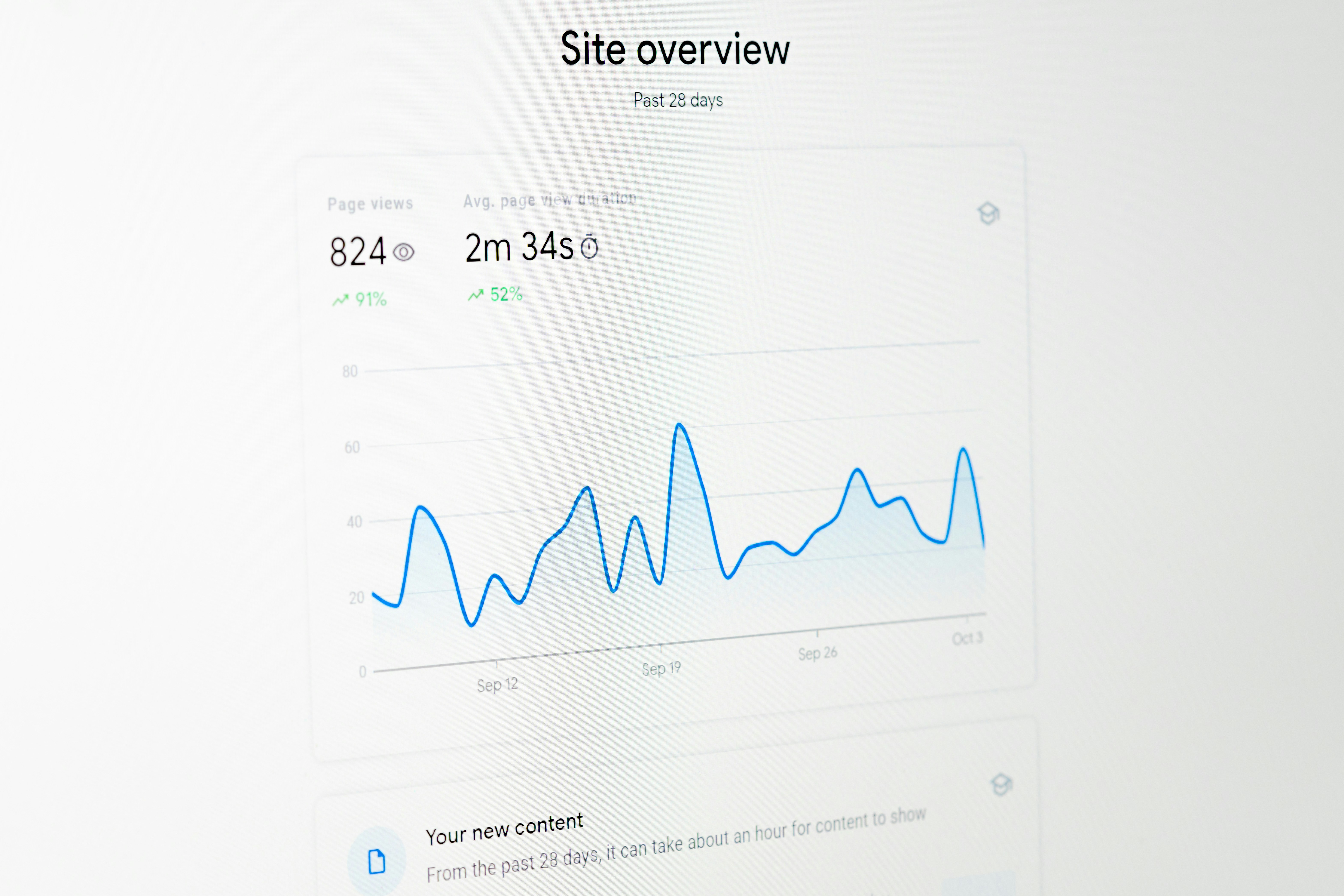
Leveraging AI in SEO enables faster optimization, smarter content creation, and better user engagement. As search engines evolve, AI-driven strategies are key to maintaining rankings and visibility.
Best Practices
To maximize SEO in 2025, businesses must integrate AI for content, keywords, and structured data. AI tools like SurferSEO, Clearscope, and Semrush refine content with data-driven insights. Google Gemini and predictive analytics identify emerging trends for proactive optimization.

AI is a competitive advantage. By leveraging AI-driven tools for content, keywords, and structured data, businesses can improve rankings, enhance visibility, and stay ahead in an ever-evolving search landscape. And use AI-powered tools (e.g., SurferSEO, Clearscope) for content optimization and predictive analytics to stay ahead of shifting trends.
Voice search optimization tips for 2025
With more searches happening via Siri, Google Assistant, and Alexa, optimizing for voice search is crucial.
A fast, mobile-friendly site is key as voice search grows. Using natural, conversational queries boosts visibility, while featured snippets provide direct answers for voice assistants. Faster page speeds improve rankings, and local SEO ensures presence in location-based searches. Structured data enhances search accuracy, making content more accessible.

With voice searches increasing, brands must optimize for natural, conversational queries, featured snippets, and mobile-first experiences to remain competitive.
How to optimize your website for SEO?
A strong SEO strategy includes technical SEO, on-page SEO, and off-page SEO. Optimizing Core Web Vitals enhances page speed, stability, and user experience. Implementing HTTPS security and fixing broken links and crawl errors ensure search engines can properly index content. Structured data markup helps search engines interpret content more effectively, leading to better rankings.

High-quality content with optimized headings, meta descriptions, and images boosts relevance. Strategic internal links strengthen site structure and authority. Authoritative backlinks, brand mentions, and influencer outreach enhance credibility and visibility. A strong SEO strategy requires technical excellence, high-quality content, and authoritative backlinks. Keeping up with these fundamentals ensures sustained search visibility.
How does SEO help your business grow?
SEO enhances online visibility, attracts targeted traffic, and boosts conversions.
Higher rankings boost visibility, trust, and organic traffic. SEO drives high-intent visitors without ongoing ad costs. Fast, user-friendly sites improve engagement and conversions. Aligning content with search intent attracts ready-to-buy users, increasing revenue. E-E-A-T enhances credibility, making SEO a cost-effective, long-term strategy.
SEO is more than rankings, it’s a long-term investment in brand visibility, credibility, and user experience. Companies that prioritize SEO see higher conversions and sustainable growth.
How to improve SEO rankings in 2025?
SEO success in 2025 hinges on content quality, search intent optimization, and AI-powered insights. To rank higher, businesses must prioritize user experience, leverage structured data, and optimize for zero-click searches while continuously adapting to Google’s evolving algorithms.
Focus on user-first content to align with Google’s Helpful Content Update. Optimize for search intent, not just keywords, to boost relevance. Improve Core Web Vitals, speed, and mobile-friendliness for better rankings.
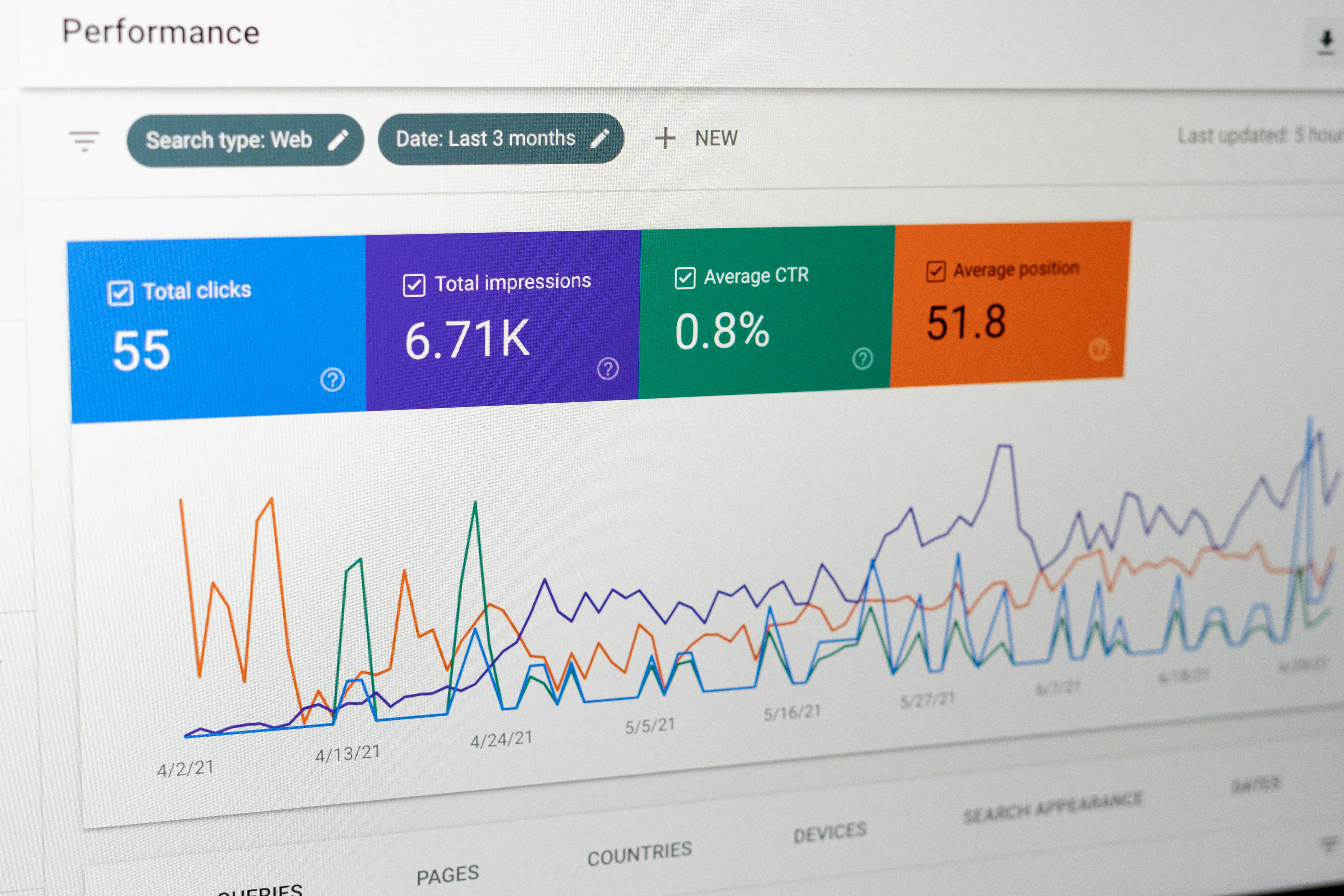
Use AI tools for keyword research, content optimization, and tracking. Target featured snippets and People Also Ask to maximize visibility. Build high-quality backlinks to strengthen authority. Diversify content with videos, infographics, and interactive elements to increase engagement. Optimize local SEO with Google Business Profile and citations. Track progress with Google Search Console, Ahrefs, and Semrush to refine strategies.
Staying competitive means aligning with search intent, leveraging AI-driven insights, and optimizing for zero-click searches. SEO success comes from consistent improvements and adaptability.
How to learn SEO step-by-step?
Understanding how search engines rank content is the foundation of SEO success. Mastering keyword research tools like Google Keyword Planner and Ahrefs helps identify high-performing search terms. Learning on-page SEO techniques, such as optimizing meta tags, headings, and readability, improves content relevance.
Grasping technical SEO fundamentals, including site speed, crawlability, and structured data, ensures smooth indexing. Studying off-page SEO tactics, like backlink building and digital PR, strengthens domain authority. Gaining hands-on experience through real projects, such as launching a blog and analyzing results, enhances practical knowledge. Staying informed by following industry leaders on Moz, Search Engine Journal, and Google’s SEO Blog keeps strategies up to date.
Mastering SEO requires continuous learning, hands-on experience, and staying updated with industry changes. The best way to learn is to apply strategies, analyze results, and refine your approach.
Final Thoughts
SEO is evolving, but one thing remains constant: delivering value to users is the key to ranking success. Businesses that embrace AI, personalization, and UX-driven optimization will thrive in the next era of search.

 Freelance Web Writer
Leave a comment