
77% of online health seekers say they began at a search engine such as Google, Bing, or Yahoo. The search bar is where people pour their hopes, worries, and curiosity into, looking for solutions they can trust. From “natural ways to reduce stress” to “best plant-based protein,” every query is a window into what your audience truly needs.
These moments are gold. They’re your chance to step into the conversation with content that ranks high on Google but speaks directly to your customer’s heart and mind. You can chase clicks but understanding why someone is searching and creating an experience that answers their questions while guiding them toward the next step.
You have to match your content with user queries to reduce bounce rates and increase engagement. Let’s explore how you can unlock this power by mastering the four types of search intent: informational, transactional, navigational, and commercial investigation.
Informational Intent
Roughly 59% of internet users say they have looked online for health information within the past year.
The customer wasn’t supposed to find your site that day. At least, that’s how it felt. She typed, “natural ways to boost energy,” hoping to find something—anything—that could help her feel human again. What Sam didn’t know was that behind the simple list of search results was a carefully orchestrated strategy. Designed to understand his needs before he even knew them himself.
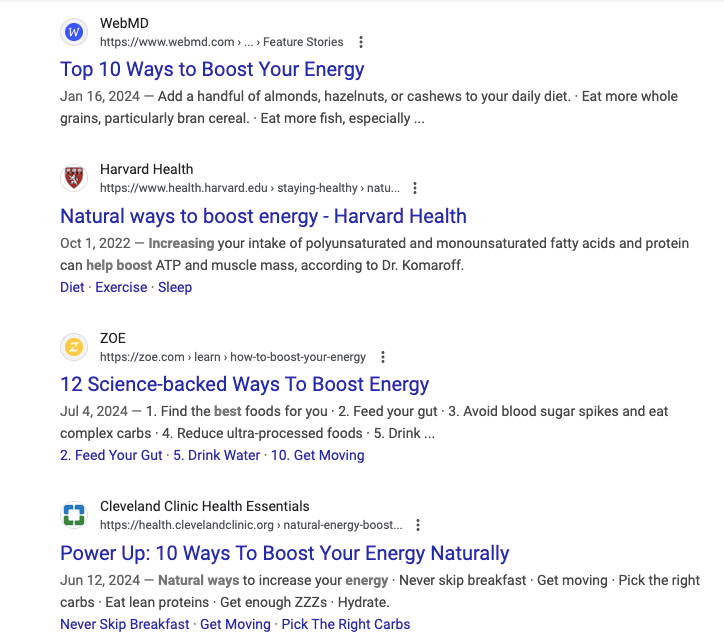
He wants to understand his options. If your brand publishes a detailed blog post titled “7 Proven Ways to Naturally Boost Energy,” with actionable tips and scientific insights, Sam will leave feeling empowered and with your brand top of mind.
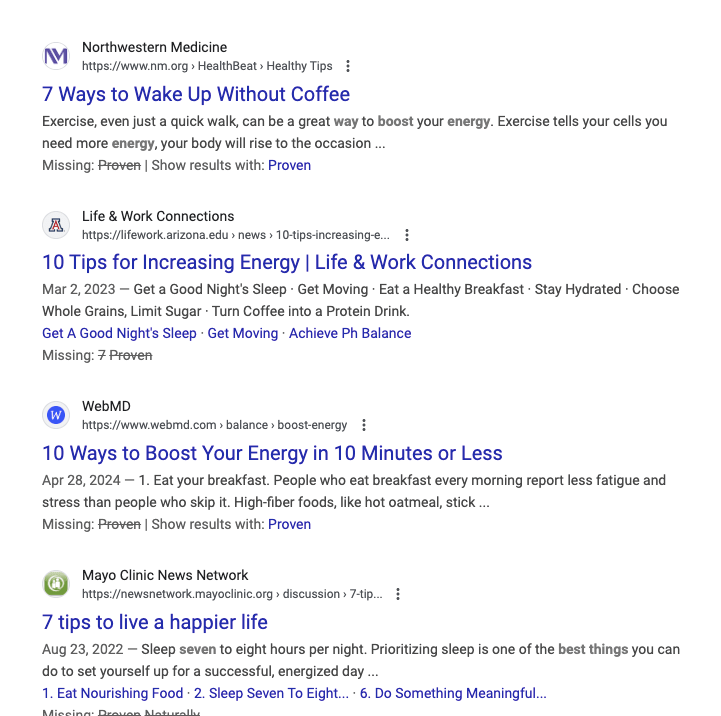
Customers with informational intent are on a mission to learn. They’re not ready to buy yet. They want answers. This is your opportunity to position your brand as a trusted source of knowledge.
Real-World Example: Headspace’s Blog
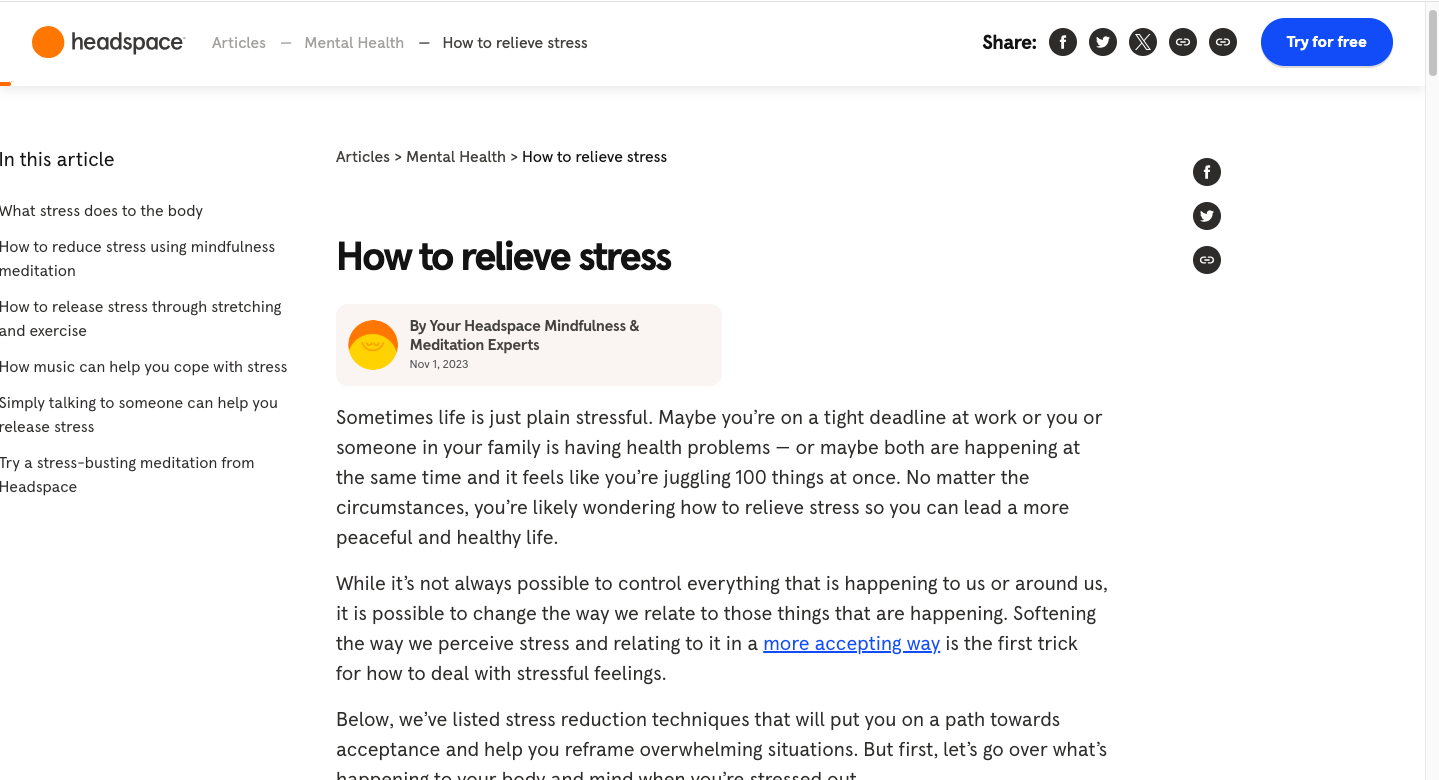
Headspace, a popular meditation app, excels at informational content. Their blog post, “How to Relieve Stress,” offers actionable advice supported by research. The article subtly introduces meditation as a solution, with a call-to-action (CTA) leading to their app. It ranks highly because it directly answers what users are searching for, with depth and clarity.
How to Win Informational Intent
According to a 2023 study by BrightEdge, 68% of all online experiences start with a search engine query, and informational intent dominates. These searches are often long-tail keywords like “natural remedies for anxiety” or “how to improve gut health.”
- Create In-Depth Guides: Write content that dives deep into topics like “The Science Behind Ashwagandha” or “How Collagen Supports Joint Health.”
- Include Credibility: Back claims with data, expert quotes, and studies. According to Content Marketing Institute, 71% of users trust brands more when their content is research-backed.
- Leverage SEO: Optimize for long-tail keywords and include structured headers to make your content easy to skim.
- Interactive Content: Pages featuring infographics and interactive content experience higher engagement.
- Provide Value: Add downloadable resources, such as a free “Stress Management Checklist,” to keep users engaged and build your email list.
- Subtle CTAs: Don’t sell yet. Instead, include links like, “Learn more about our ashwagandha supplements here.”

For example, brands like Calm experience higher engagement as users spend 80% more time on pages featuring infographics and interactive content.
Evaluating Your Approach to Informational Intent
To effectively target informational intent, analyze competitors, optimize your content for search, and diversify formats to meet user needs:
- Analyze Competitors’ Content:
Study brands like Calm and Headspace. Note how Calm uses expert quotes and subtle CTAs to build trust, while others may rely on shallow or sales-heavy content. Identify gaps to create deeper, more engaging material. - Create Search-Optimized Long-Form Content:
Focus on in-depth guides using keywords like “benefits of ashwagandha for stress.” Answer FAQs clearly, incorporate credible data, and optimize for featured snippets to rank higher and attract more clicks. - Diversify Content Types:
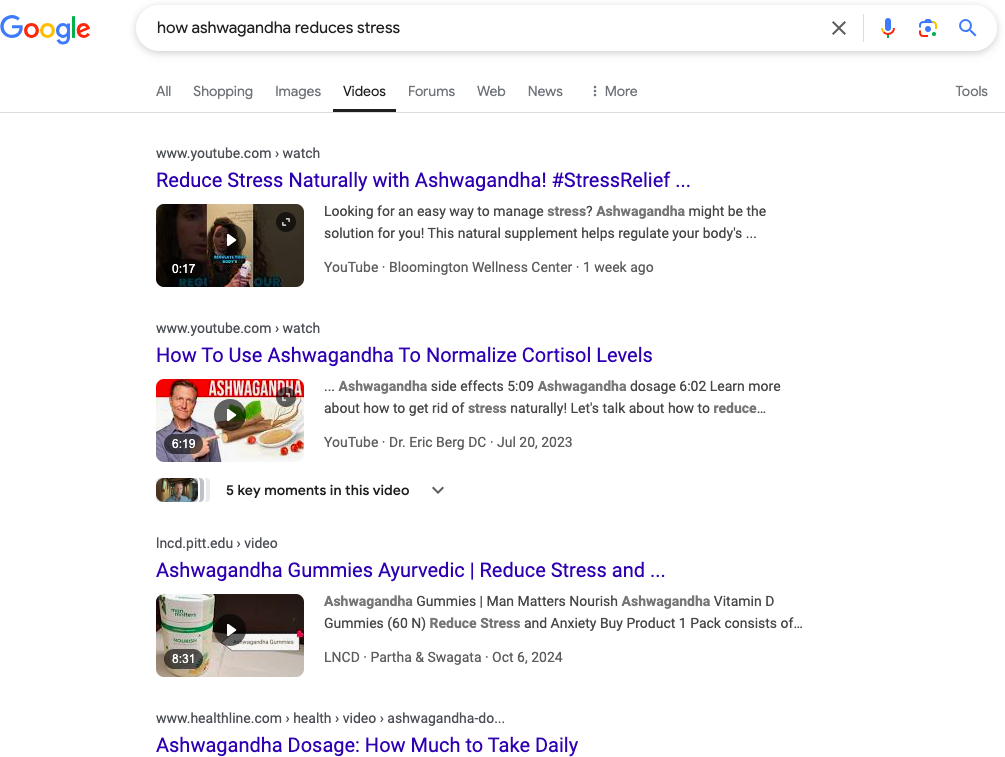
Include infographics, videos, or downloadable resources like a “Stress Relief Checklist.” For example, a short video on “How Ashwagandha Reduces Stress” can improve engagement and cater to visual learners.
This approach ensures your content aligns with user intent, outperforms competitors, and strengthens your brand’s authority.
Transactional Intent
Jason is a weekend warrior who just crushed his Saturday run. Now, he’s searching for “best vegan protein powder.” This is a customer ready to take action. He knows what he needs, and your product page is his final stop. Transactional intent is the most conversion-focused, and your content should make the buying process seamless.
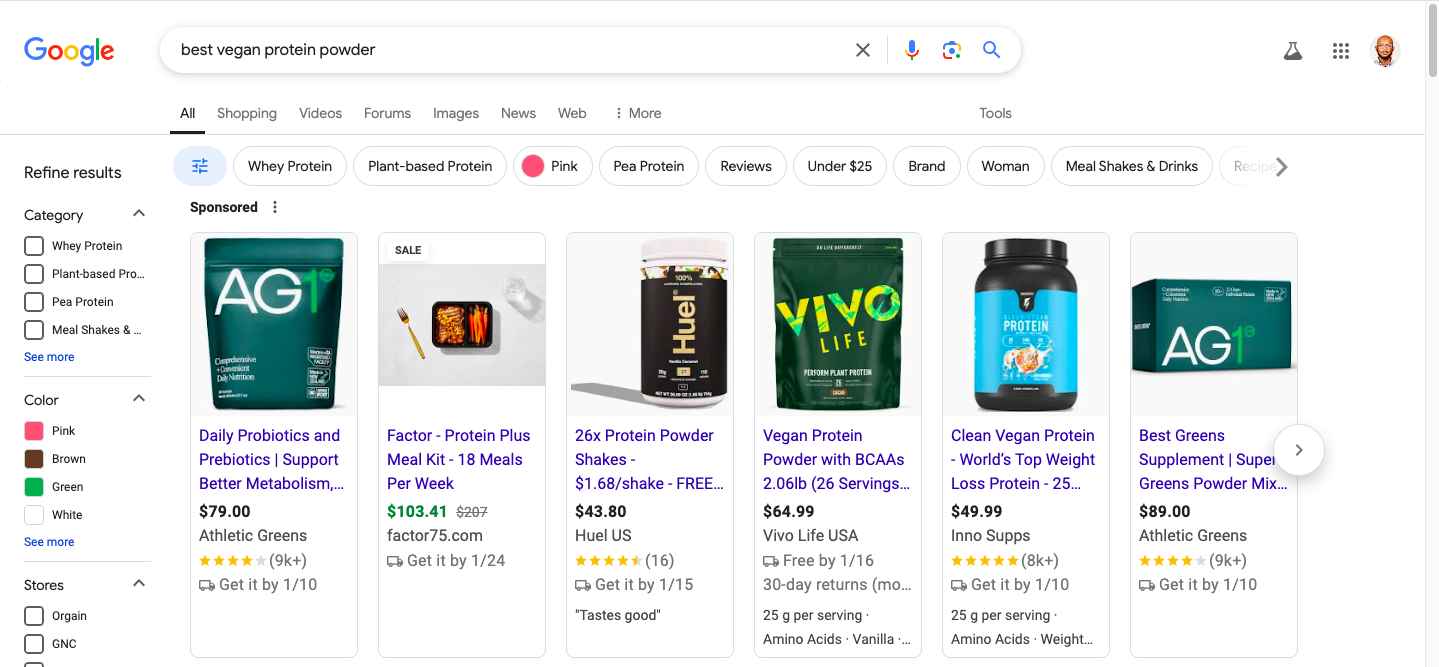
Jason lands on a product page featuring:
- A short, clear product description: “Plant-based protein that fuels recovery without additives.”
- Trust signals: “Non-GMO, gluten-free, third-party tested.”
- A compelling CTA: “Order now and get free shipping!” Implementing strong, clear call-to-action (CTA) buttons can increase conversion rates by up to 60%.
Jason clicks “Buy Now” without hesitation.
When a user searches, “vegan protein powder,” they can be ready to make a decision. And with 39% of online health seekers say they looked for information related to their own situation, your site needs to ready to sell. With transactional intent being the most conversion-focused, your content should make the buying process seamless.
Real-World Example: Goli Nutrition
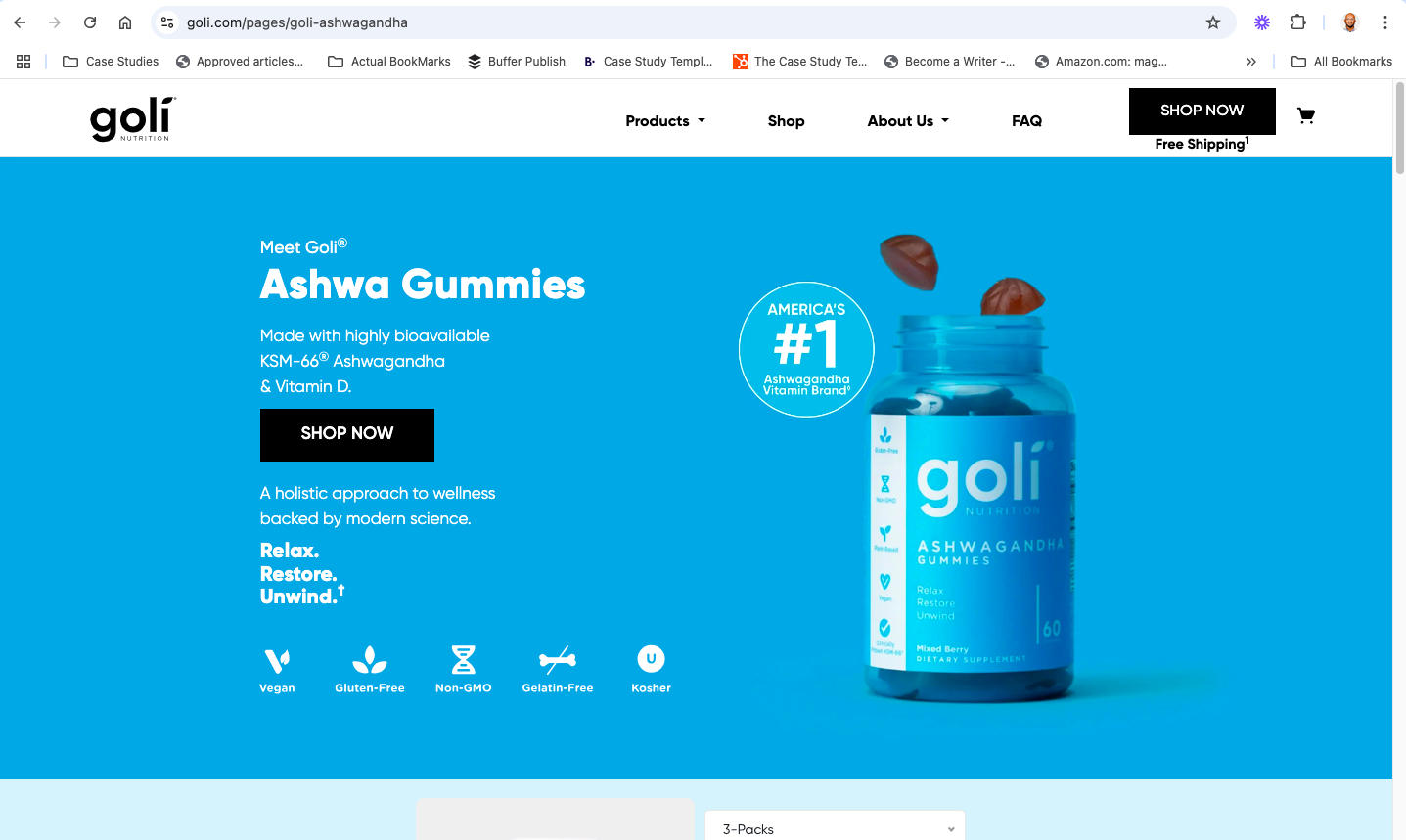
Goli Nutrition’s product pages are a masterclass in transactional intent. Their Apple Cider Vinegar Gummies page features:
- Clear Benefits: “Supports digestion, promotes gut health, and tastes great!”
- Eye-Catching Product Images: Professional visuals that showcase the product.
- Social Proof: Thousands of five-star reviews build trust.
- Compelling CTAs: Phrases like “Add to Cart Now and Get Free Shipping!” create urgency.
Additionally, Goli offers bundle deals and limited-time discounts to increase cart value and push customers toward faster decisions.
Baymard Institute found that 69% of e-commerce shoppers abandon their carts. Clear CTAs, trust signals (like certifications), and easy checkout processes can reduce this.
Customers are 64% more likely to buy a product when free shipping is offered, according to a report by BigCommerce.
3 Steps to to Win More Conversations:
- Create High-Conversion Product Pages: Include bullet-pointed benefits, professional images, and clear CTAs.
- Leverage Incentives: Free shipping, discounts, or bundles can nudge hesitant buyers.
- Simplify the Process: Mobile-friendly checkout is essential, especially as 59% of e-commerce traffic comes from mobile devices (Statista).
Evaluating Your Approach to Transactional Intent
To effectively address transactional intent, streamline the customer journey and build trust with engaging, conversion-focused content:
- Audit Competitors’ Product Pages:
Study brands like Goli Nutrition to see how they use clear CTAs, trust badges, and persuasive benefits. Compare this with competitors lacking reviews or overly complex layouts to identify areas for improvement. - Optimize for Conversions:
Use trust signals like third-party reviews, certifications, and satisfaction guarantees. Include urgency drivers like “Limited stock available” or free shipping offers to push users toward completing their purchase. - Ensure a Seamless Checkout:
Test your checkout flow on mobile and desktop. Simplify steps to reduce cart abandonment, ensuring speed and ease. A streamlined one-click checkout can significantly improve conversions.
By analyzing competitors and refining your user experience, you can guide transactional users toward confident purchases with fewer drop-offs. Remember, mobile devices drive 59% of e-commerce traffic, making mobile optimization essential for capturing transactional intent.
Navigational Intent
Navigational searches account for 30% of branded queries. What if…
Jessica tapped her phone screen, juggling her morning coffee and a mental to-do list. She had recently started using Athletic Greens, a supplement her friend swore by, and it had become a part of her daily routine. But now, she was out of her supply and needed to reorder. She couldn’t remember the exact URL, so she typed “Athletic Greens” into Google, expecting a quick solution.
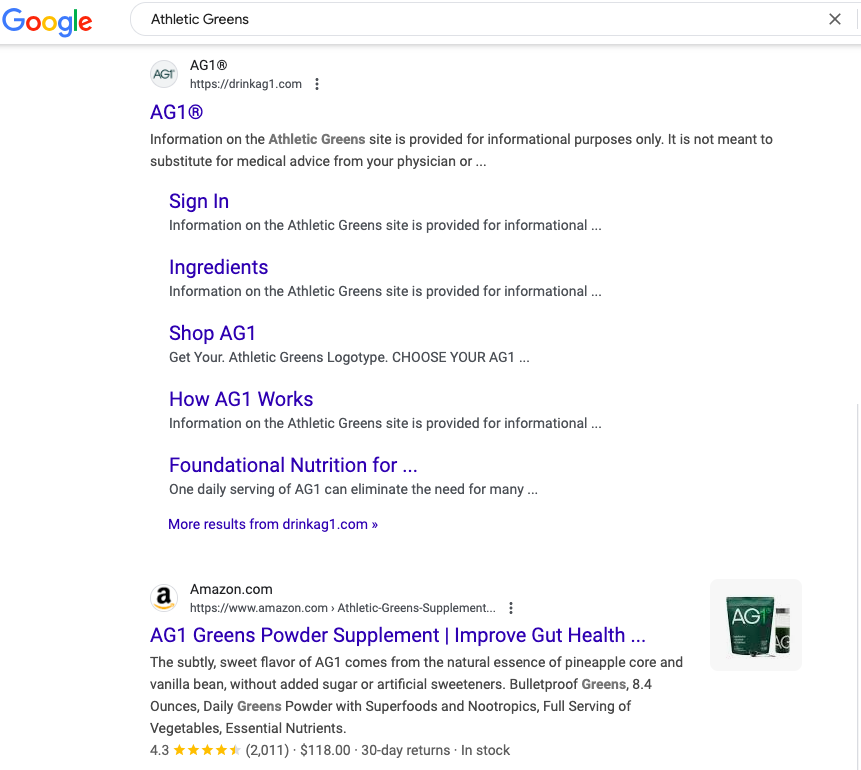
According to Moz, using structured data increases click-through rates by 30%. Customers with navigational intent know what they’re looking for and want to get there as fast as possible. For Jessica, her search was about convenience and trust. She needed to be sure she was landing on the official site, not a third-party seller or competitor.
Real-World Example: Athletic Greens
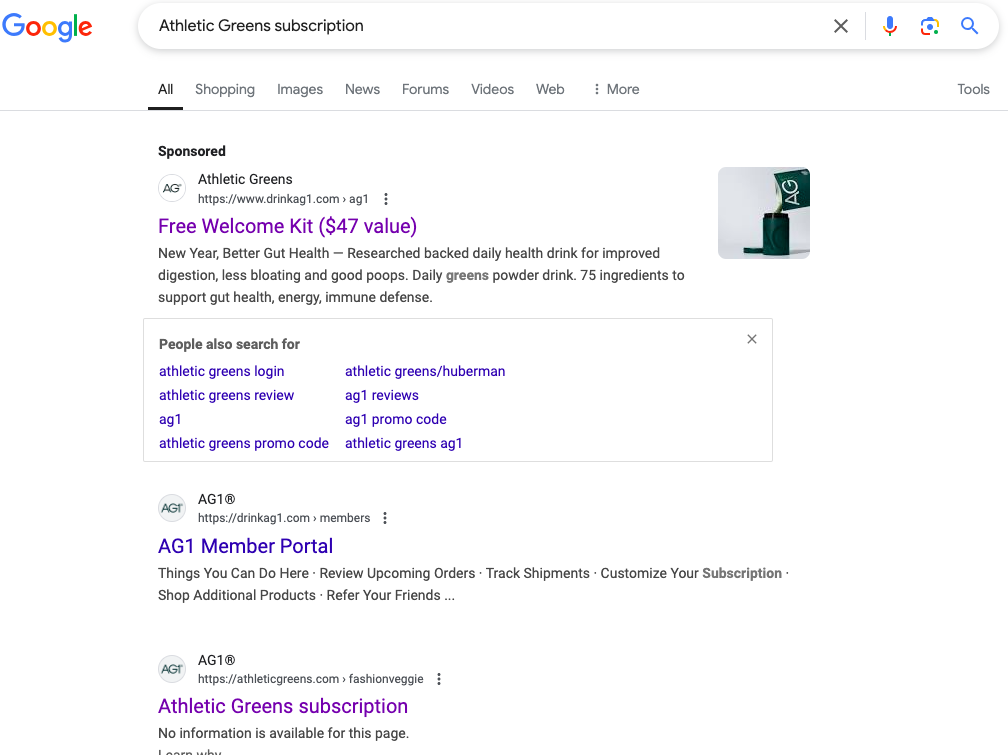
Athletic Greens excels at catering to navigational intent. When users search for terms like “Athletic Greens subscription” or “Athletic Greens login,” their homepage ranks at the top. Once visitors arrive, they find:
- Fast Load Times: A website optimized for speed, ensuring no delays frustrate customers like Jessica.
- Clear Navigation: Quick links to account management, subscription options, and product details.
- User-Friendly Design: A clean, mobile-friendly interface that ensures effortless browsing.
Back to the story: Jessica’s search experience was seamless. Within seconds, she was back on the Athletic Greens site, her cart loaded, and her reorder complete. Navigational intent is about reinforcing loyalty through a frictionless user journey. 53% of users abandon a site that takes longer than three seconds to load, making speed optimization critical for brands like Athletic Greens.
How to Win Navigational Intent:
- Own Branded Keywords: Optimize your site to dominate search results for your brand name and related terms.
- Create Intuitive Navigation: Make it simple for users to find account portals, reordering options, and FAQs.
- Improve Speed and Accessibility: Ensure your website loads quickly and works well across devices.
Evaluate Approaches for Navigational Intent
Navigational intent users want quick access to specific pages or information. Optimize your site for seamless navigation and brand visibility:
- Optimize Branded Keywords:
Research terms like “Athletic Greens login” or “Trulieve menu” and ensure your site ranks first. Use structured data to display direct links and sitelinks prominently in search results. - Enhance Navigation:
Test your site’s menu and page hierarchy. Include clear, fast-loading links to key sections like account portals, reordering options, and FAQs. - Strengthen Brand Authority:
Use consistent branding across your website and social channels. Ensure trust signals, like logos and certifications, are visible to reassure users they’ve reached the right destination.
A well-optimized, navigable site strengthens brand loyalty and ensures users find exactly what they’re looking for with ease.
Commercial Intent
Emma stared at her laptop, the glow from the screen the only light in her dim living room. She had spent hours researching health supplements and was torn between two popular options: Calm and Headspace.
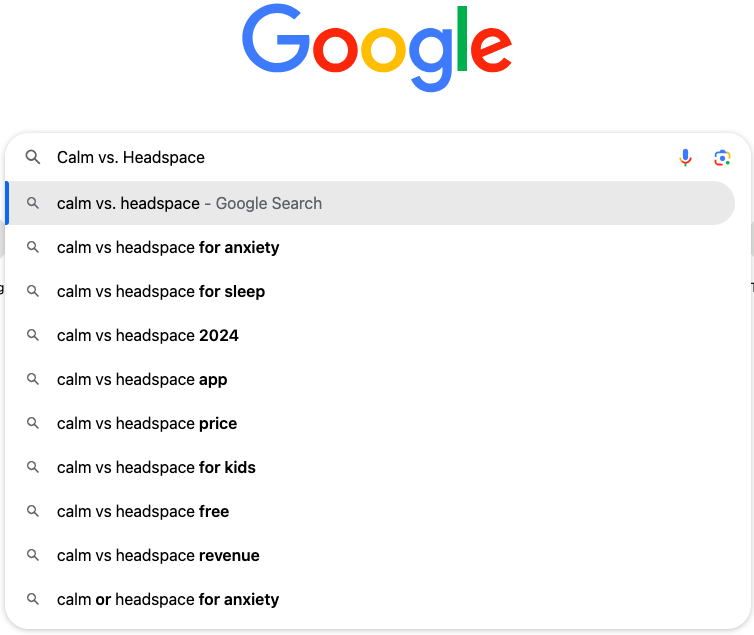
Meditation had been recommended by her doctor to help with her anxiety, but she wasn’t sure which app would be the best fit. She typed “Calm vs. Headspace” into the search bar, hoping for clarity. She wanted an honest, side-by-side comparison to help her decide where to invest her time and her money.
Customers with commercial intent are actively comparing options. They’ve moved beyond curiosity and into the evaluation phase. These customers need reassurance that they’re making the right choice. For Emma, the brand that could answer her questions directly and transparently would win her trust and likely, her business.
Real-World Example: Calm vs. Headspace
Calm, the popular meditation app, understands the importance of meeting commercial intent head-on. They created a blog post titled “Calm vs. Headspace: Which App is Best for You?” that directly addresses this type of query. The article provides:
- Clear Comparisons: A side-by-side breakdown of features, pricing, and user benefits for both apps.
- Honest Transparency: Acknowledging Headspace’s strengths while highlighting Calm’s unique features, like Sleep Stories and personalized meditations.
- Social Proof: User testimonials that emphasize how Calm has helped individuals reduce stress and improve sleep.
For Emma, this article was exactly what she needed. It didn’t push her toward one app but instead gave her all the information to make an informed choice. She appreciated the balanced tone and the inclusion of real-life success stories, ultimately deciding that Calm was the better fit for her needs.
How to Win Commercial Intent:
Over 70% of users trust comparison blogs, using them as a critical part of their decision-making process.
- Create Comparison Content: Write posts like “Athletic Greens vs. Organifi” or “Top 5 Vegan Protein Powders of 2025.”
- Be Transparent: Acknowledge competitor strengths while emphasizing your product’s unique benefits.
- Use Visual Aids: Include tables, infographics, or charts to present the information in a digestible format.
- Incorporate Social Proof: Add testimonials, user reviews, or case studies that reinforce your product’s value.
By creating honest, helpful content like Calm’s comparison post, you position your brand as a trustworthy guide. For customers like Emma, this approach is the deciding factor that builds long-term loyalty.
Evaluate Approaches for Commercial Intent
Commercial intent users compare options before making a decision. Offer transparent, persuasive content that builds trust and helps them choose your brand:
- Create Honest Comparisons:
Publish side-by-side reviews of your products versus competitors. Highlight your unique selling points without dismissing competitor strengths, as seen in Calm’s balanced “Calm vs. Headspace” blog. - Leverage Visual Content:
Use comparison tables, infographics, and videos to make features and benefits clear. For example, an infographic showing “Key Differences Between Athletic Greens and Organifi” can clarify distinctions quickly. Adding visual elements like comparison tables or infographics improves comprehension by 50% and reduces bounce rates. - Incorporate Social Proof:
Add testimonials or case studies showing real-life success stories. For example, highlight how your product has helped customers improve their health outcomes. Including transparent comparisons and testimonials can increase conversions by 20%, helping users like Emma make confident purchasing decisions.
By focusing on transparency, clarity, and user trust, you can guide users with commercial intent toward choosing your product confidently.
Understanding and Acting on Search Intent
Only 1% of people saying they start at a social network site like Facebook to look for health information, so your website being gear for search intent is the key to connecting your content with your audience.
But not all intents are the same. Each reflects a specific stage in the customer’s journey, and your content must adapt accordingly. Here’s a recap of how to approach the four types:
Informational Intent
Users are in research mode, seeking knowledge rather than a sales pitch. Educational content like blog posts and guides helps build trust and positions your brand as a reliable resource.
Transactional Intent
These users are ready to buy. Streamline their journey with optimized product pages, clear CTAs, and incentives like free shipping or discounts to seal the deal.
Navigational Intent
Users know what they’re looking for—usually your brand or site. Ensure your branded keywords rank high, and provide seamless navigation for returning customers to find what they need quickly.
Commercial Intent
These users are weighing their options before committing. Transparent comparison content with social proof and clear visuals helps guide them toward choosing your product.

By aligning your content with the specific intent behind each query, you reduce bounce rates, increase engagement, and build lasting trust with your audience. Knowing their needs at every stage ensures your brand is always one step ahead.
Conclusion about the Intent
Picture this: you walk into a health store and notice a customer lingering in the supplements aisle, reading labels, comparing bottles, and Googling ingredients. They’re not aimlessly browsing, but they have a goal. Maybe they’re looking for the best immunity booster or trying to figure out what “adaptogens” actually do.
Now imagine if your brand could step in at just the right moment, offering the exact information or product they need. That’s what understanding search intent is all about. As a content marketing director, mastering search intent is creating experiences that resonate, build trust, and convert. For your health and wellness brand it’s the path to lasting success.
Discover your messaging opportunities today.

 Freelance Web Writer
Leave a comment