
Search Engine Optimization (SEO) is the key to improving your website’s visibility in search engine results pages (SERPs) and driving organic traffic. But tackling SEO doesn’t have to feel overwhelming when there are tools available to simplify the process and amplify your efforts.
This guide explores the top SEO tools that can transform your website into a traffic magnet by handling everything from keyword research to competitor analysis.
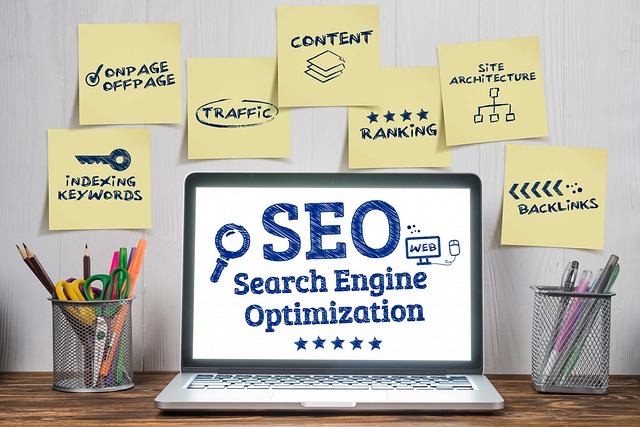
Why SEO Tools Are Essential
“SEO tools are the compass that navigates you through the complex world of search algorithms.” — Neil Patel
Navigating the SEO landscape without the right tools is like trying to find treasure without a map. SEO tools empower you to decode search algorithms, understand user behavior, and optimize your website for search engines. They save time, eliminate guesswork, and provide valuable insights that drive real results.
In basic terms they save time, provide data-driven insights, and streamline tasks to help you achieve your marketing goals. Here’s how they can make a difference:
- Data Analysis: Tools like Google Analytics offer real-time insights into website traffic, user behavior, and conversions.
- Keyword Research: Discover high-performing keywords to target using platforms like Ahrefs or SEMrush.
- Competitor Analysis: Spy on competitors’ strategies and identify gaps in your own using tools like SpyFu.
SEO is essential for scaling your online presence. By leveraging these tools, you can work smarter, not harder, and gain the competitive edge you need to thrive in today’s competitive market.
How to Choose the Right SEO Tool for Your Needs
With so many SEO tools available, choosing the right one for your needs can feel overwhelming. The key is to focus on your specific goals, budget, and the areas of SEO you want to prioritize. Whether you’re looking to optimize content, analyze backlinks, or track rankings, there’s a tool designed to make the job easier. Follow these steps:
1. Define Your Goals
Before you invest in any tool, get clear on what you want to achieve with your SEO strategy.
- For content creation and optimization: If you’re focused on producing SEO-friendly content, look for tools like Clearscope or Surfer SEO. These platforms analyze top-ranking content for your target keywords and provide actionable recommendations for improving readability, keyword usage, and relevance.
- For technical SEO insights: Tools like Screaming Frog or Sitebulb are ideal for identifying site health issues. They help uncover problems like broken links, slow-loading pages, duplicate content, and more, ensuring your website is technically sound and user-friendly.
- For competitor analysis: If you’re trying to outpace competitors, consider platforms like SEMrush or Ahrefs, which allow you to track competitor keywords, backlinks, and content strategies.
Your goals will determine which features are non-negotiable in a tool. Write down your top 3-5 SEO priorities before researching tools. This list will keep you focused and help you avoid paying for features you don’t need.
2. Consider Your Budget
Your budget will play a major role in determining which tools are within reach. Fortunately, there are excellent options available for every price range, from free tools to premium platforms with advanced features.
- For small budgets: Start with free tools like Google Analytics or Ubersuggest. Google Analytics offers invaluable insights into website traffic, user behavior, and conversions, while Ubersuggest provides keyword research and basic competitor analysis without any cost. These tools are perfect for beginners or businesses just starting their SEO journey.
- For larger budgets: If you’re ready to invest in a tool with advanced functionality, look into Ahrefs, SEMrush, or Moz Pro. These platforms provide an all-in-one solution, combining keyword research, backlink tracking, site audits, and rank tracking. While they require a monthly subscription, the depth of data and insights they offer often makes them worth the investment.
If your budget is limited, prioritize one premium tool that aligns closely with your goals. For example, Ahrefs is excellent for backlinks, while SEMrush excels in keyword and content strategy.
3. Test Before Committing
Many premium SEO tools offer free trials or limited-time access to their features. Take full advantage of these trials to ensure the tool meets your needs and integrates seamlessly with your workflow.
- Evaluate usability: During the trial period, test the platform’s interface and features to ensure it’s intuitive and easy to use. A complicated tool can slow you down, especially if your team isn’t highly technical.
- Assess effectiveness: Use the tool to complete a small project, like conducting a site audit or researching keywords. Pay attention to how accurate and actionable the results are.
- Compare tools: If you’re unsure which tool is best, trial a few options simultaneously to see which one feels like the best fit. For instance, compare SEMrush and Ahrefs for competitor research or Clearscope and Surfer SEO for content optimization.
- Check integration: Ensure the tool integrates with other platforms you use, such as Google Analytics or Search Console, for seamless data sharing and reporting.
Take notes during the trial and evaluate each tool based on criteria like ease of use, data accuracy, and relevance to your goals. This approach will make the final decision much clearer.
Choosing the right SEO tool is a crucial step in building a strong digital presence. By defining your goals, assessing your budget, and testing tools before committing, you’ll ensure that your investment delivers the insights and functionality you need. Remember, the right tool is the one that empowers you to achieve your specific objectives efficiently and effectively.
Key Features to Look for in SEO Tools
Choosing the right SEO tools is about identifying features that directly align with your goals. Whether you’re focused on improving keyword rankings, enhancing user experience, or fixing technical issues, the features of your tools will determine how effectively you achieve those outcomes. A tool that offers robust data integration and actionable insights can save you countless hours and help you make strategic decisions.
By understanding the key features to prioritize, you can cut through the noise and select tools that truly add value to your SEO efforts.
1. Comprehensive Keyword Analysis
Keyword research is the foundation of any successful SEO strategy. Tools with comprehensive keyword analysis capabilities provide insights into the search terms your audience is using, enabling you to target the right keywords for maximum visibility. The best tools help you assess keyword volume, difficulty, and performance trends, ensuring you focus on terms that offer the highest return on investment (ROI).
Features to Look For:
- Volume and Difficulty Metrics: Understand the search volume (how often a keyword is searched) and difficulty (how hard it is to rank for). Tools like Ahrefs, SEMrush, and Ubersuggest provide these metrics, helping you prioritize keywords that balance high volume with achievable difficulty.
- SERP (Search Engine Results Page) Analysis: Gain insights into what’s currently ranking for your target keywords. Platforms like SEMrush display data about top-ranking pages, featured snippets, and the types of content (e.g., videos, FAQs) dominating the results.
By focusing on comprehensive keyword analysis, you can align your content strategy with audience intent, ensuring your website attracts relevant traffic that converts into leads or sales. These tools take the guesswork out of keyword targeting, setting you up for long-term SEO success.
2. Backlink Insights
Backlinks remain one of the most influential ranking factors in SEO. High-quality backlinks signal authority and trustworthiness to search engines, boosting your website’s visibility. Tools with robust backlink analysis features allow you to evaluate the quality of your links and discover opportunities to strengthen your backlink profile.
Features to Look For:
- Referring Domain Analysis: Analyze the number and quality of domains linking to your site. Platforms like Majestic break down your backlink profile to help you identify gaps and opportunities for growth.
- Backlink Quality Scoring: Tools like Ahrefs and Moz Pro score backlinks based on factors like domain authority, relevance, and anchor text. This helps you focus on acquiring links from reputable sources.
Understanding your backlink profile is essential for building authority and improving rankings. The right tools make it easy to track existing backlinks, disavow harmful ones, and identify high-value opportunities to enhance your link-building strategy.
3. Site Audit Functionality
Your website’s technical health directly impacts its SEO performance. A robust site audit tool helps identify and fix technical issues that could be holding your site back, such as slow loading speeds, broken links, or missing meta descriptions. These tools also provide insights into how your site performs across mobile devices, ensuring an optimal user experience.
Features to Look For:
- Technical SEO Recommendations: Tools like Screaming Frog and SEMrush crawl your site to detect errors like duplicate content, improper redirects, or unoptimized images. They also suggest fixes to improve performance.
- Mobile Usability Checks: Platforms like Google Search Console highlight issues affecting your mobile experience, such as touchpoint sizes, layout shifts, and load times. These insights are crucial, as Google prioritizes mobile-first indexing.
Regular site audits keep your website running smoothly and ensure search engines can crawl and index it effectively. By addressing technical issues proactively, you not only enhance your rankings but also improve the overall user experience.
4. Rank Tracking
Monitoring your keyword rankings is critical to understanding the impact of your SEO efforts. Rank tracking tools provide real-time insights into how your pages are performing in search engine results, allowing you to adjust strategies as needed to maintain or improve visibility.
Features to Look For:
- Monitor Keyword Positions: Tools like SEMrush and Ahrefs allow you to track rankings for specific keywords across locations and devices.
- Analyze SERP Trends Over Time: Platforms like SE Ranking provide historical data to show how your rankings evolve, helping you identify trends and opportunities for improvement.
Rank tracking tools give you the data you need to measure success and stay agile in a competitive environment. By regularly monitoring your positions, you can ensure your SEO strategy stays aligned with search engine trends and user behavior.
5. Content Optimization Suggestions
Creating high-quality content is only half the battle; optimizing that content for search engines and users is equally important. Content optimization tools guide you in refining your on-page elements, ensuring your pages are both engaging and SEO-friendly. These tools analyze factors like readability, keyword usage, and structural elements to help your content rank higher.
Features to Look For:
- On-Page SEO Tips: Tools like Surfer SEO and Clearscope provide actionable recommendations for improving titles, headers, and metadata.
- Readability and Keyword Density Recommendations: Platforms like Yoast SEO evaluate how well your content balances readability with keyword usage, ensuring it appeals to both users and search engines.
Optimizing your content ensures it delivers maximum value to your audience while meeting search engine criteria. With the right tools, you can craft content that ranks higher, attracts more traffic, and engages readers effectively.
The features of your SEO tools will define how much insight and control you have over your website’s performance. Invest in tools that address multiple aspects of SEO, from keyword optimization to technical audits, to ensure your strategy is well-rounded and impactful. When your tools offer the right features, they become your most trusted allies in improving rankings and growing traffic.
Free SEO Tools
If you’re just starting out with SEO or working within a tight budget, free tools can be a lifesaver. These tools may not have all the advanced features of premium options, but they provide critical insights and functionality that lay the foundation for effective SEO strategies. Best of all, many free tools are developed by industry leaders like Google, ensuring they’re reliable and up-to-date.
Here’s a closer look at some of the best free tools that can help you analyze traffic, find keywords, and identify site issues without costing you a dime.
1. Google Search Console
Google Search Console is an essential tool for understanding how Google perceives your website. As a free service provided by Google, it allows you to monitor your site’s presence in search results and identify issues that may be hindering its performance. Whether you’re troubleshooting technical problems or optimizing your pages for better rankings, Search Console is an invaluable resource for webmasters and SEO professionals alike.
Key Features and Benefits:
- Search Queries and Performance Data: Discover which queries drive traffic to your website, along with key metrics like clicks, impressions, and average ranking position.
- Indexing Status: Check which pages of your site are indexed by Google and troubleshoot issues with unindexed pages.
- Crawl Errors: Identify problems like broken links, server errors, or other issues that prevent Google from properly crawling your site.
- Enhancement Reports: Gain insights into areas like Core Web Vitals, mobile usability, and structured data implementation to improve site performance.
Google Search Console is a roadmap for improving your site’s visibility and usability. By regularly monitoring your reports, you can ensure that your website remains optimized for both search engines and users. Best of all, it’s completely free, making it a must-have tool for anyone serious about SEO.

2. Google Analytics
Understanding your audience is at the heart of any successful SEO strategy, and Google Analytics makes that possible. This free tool offers in-depth insights into your website’s traffic, user behavior, and conversion patterns, helping you make informed decisions to improve performance. Whether you’re analyzing content effectiveness or tracking marketing campaigns, Google Analytics is your go-to platform for actionable data.
Key Features and Benefits:
- Traffic Insights: Track where your visitors come from, whether it’s organic search, social media, direct visits, or referrals, to measure the success of your marketing efforts.
- User Behavior Analysis: Understand how visitors interact with your site, including which pages they visit, how long they stay, and where they drop off.
- Goal Tracking and Conversions: Set up goals to measure important actions like form submissions, purchases, or downloads, ensuring your site meets business objectives.
- Real-Time Data: Monitor user activity on your site as it happens, giving you a live view of traffic spikes or engagement trends.
Google Analytics provides a wealth of data that can transform your SEO strategy from guesswork to precision. By analyzing user behavior and traffic patterns, you can refine your approach, improve content performance, and drive meaningful results all without spending a dime.

3. Google Trends
When it comes to staying ahead of the curve in SEO, understanding search trends is critical. Google Trends allows you to explore how search interest for specific keywords or topics has changed over time. This tool is especially useful for identifying seasonal trends, geographic patterns, and emerging topics that can inform your content strategy and help you rank for what’s relevant.
Key Features and Benefits:
- Search Volume Trends: Track the popularity of a keyword over time to understand whether it’s gaining or losing traction.
- Geographic Insights: See which regions or countries show the most interest in a specific topic, enabling targeted local SEO strategies.
- Compare Topics: Analyze multiple keywords or topics side by side to discover which is more relevant to your audience.
- Seasonal Patterns: Identify peak times of the year for specific keywords to optimize your content calendar and marketing efforts.
Google Trends is a way to anticipate what your audience wants. By leveraging search data, you can create timely, engaging content that aligns with user intent and positions your website as a go-to resource.

4. Ubersuggest
For those seeking a budget-friendly way to jumpstart their keyword research, Ubersuggest is an excellent choice. Created by Neil Patel, this free tool offers a user-friendly platform for discovering keyword ideas, analyzing search volume, and gaining insights into your competitors’ strategies. Whether you’re new to SEO or need quick, actionable data, Ubersuggest delivers value without the cost.
Key Features and Benefits:
- Keyword Research: Generate keyword ideas based on your seed keyword, with metrics like search volume, SEO difficulty, and paid difficulty.
- Competitor Analysis: Uncover your competitors’ top-performing keywords and pages to identify content opportunities and gaps in your strategy.
- Content Suggestions: Receive recommendations for content topics that are likely to drive traffic based on trending keywords.
- Backlink Insights: Analyze the backlink profile of your website or a competitor’s site to find potential link-building opportunities.
Ubersuggest is a versatile tool that makes SEO accessible to everyone, regardless of budget. Its combination of keyword insights, competitor analysis, and backlink data ensures you have the foundational tools to improve your rankings and compete effectively.
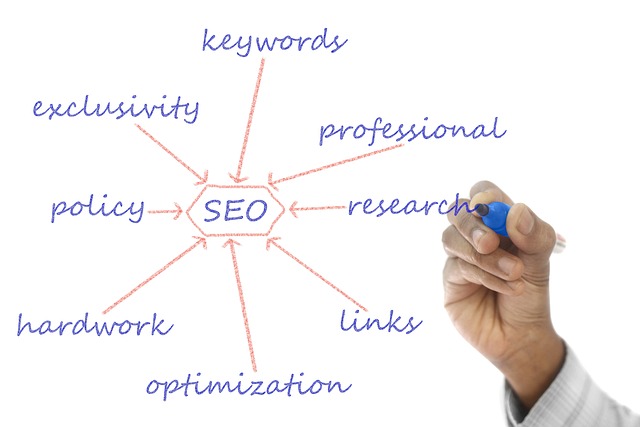
Free SEO tools are an excellent starting point for building your website’s online presence. They provide essential data and insights that help you create targeted strategies without requiring a financial commitment. As your SEO efforts grow, these tools can remain valuable complements to premium platforms, ensuring you stay informed and adaptable.
Top SEO Tools to Boost Your Website’s Visibility
The benefits of SEO tools go far beyond simplifying tasks. These tools provide the data, insights, and automation needed to create scalable SEO strategies that deliver measurable results. From tracking keyword rankings to analyzing competitor strategies, they empower businesses to make informed decisions and stay ahead of industry trends.
By understanding the unique advantages these tools bring, you can optimize your efforts and achieve a stronger ROI from your SEO campaigns.
1. Semrush
When it comes to comprehensive SEO and digital marketing platforms, SEMrush stands out as a powerhouse. Trusted by businesses of all sizes, SEMrush offers an extensive suite of tools that cater to everything from keyword research to social media management. Its user-friendly interface and depth of features make it an essential tool for marketers, SEO professionals, and business owners looking to gain a competitive edge.
Key Features and Benefits:
- Keyword Research: SEMrush provides detailed keyword data, including search volume, keyword difficulty, and competitive density. It also suggests related keywords, helping you uncover untapped opportunities.
- Competitor Analysis: Gain insights into your competitors’ strategies, including their top-ranking keywords, backlinks, and content performance, enabling you to refine your own approach.
- Rank Tracking: Monitor your website’s performance in SERPs over time, track keyword rankings across regions, and analyze trends to stay ahead of the competition.
- Social Media Monitoring: Manage and monitor your social media campaigns directly within the platform, allowing for a seamless integration of SEO and social strategies.
- PPC Research: SEMrush provides insights into paid advertising, helping you analyze competitors’ ad strategies, keywords, and budgets.
- Site Audits: Quickly identify technical SEO issues with SEMrush’s site audit tool, which provides actionable recommendations for improving site health and performance.
SEMrush is an all-in-one marketing platform designed to help businesses thrive online. With its robust features and intuitive interface, it empowers users to make data-driven decisions, outpace competitors, and achieve measurable growth. Whether you’re managing a small blog or running a large enterprise, SEMrush offers the tools you need to succeed in the ever-evolving digital landscape.

2. Ahrefs
Ahrefs is widely regarded as one of the most comprehensive SEO toolsets available, offering a wealth of data and insights to help businesses thrive in competitive digital markets. Whether you’re looking to analyze backlinks, conduct keyword research, or perform a full site audit, Ahrefs delivers precise, actionable results. Designed with both technical SEO experts and content creators in mind, it’s a must-have for anyone serious about improving their website’s visibility.
Key Features and Benefits:
- Keyword Research: Access detailed keyword data, including search volume, difficulty, and related terms, to help you craft content that ranks.
- Backlink Analysis: Analyze your backlink profile to assess quality, identify opportunities, and monitor changes over time. Ahrefs is renowned for having one of the largest and most accurate backlink databases.
- Competitor Analysis: See what’s driving traffic to competitors’ sites, from their top-performing content to their backlink strategies, so you can replicate and outperform their efforts.
- Site Audit: Perform in-depth technical audits to uncover issues like broken links, duplicate content, and slow-loading pages that may be hindering your performance.
- Rank Tracking: Monitor your website’s rankings across multiple search engines, ensuring your optimization efforts are paying off.
Ahrefs stands out as a data powerhouse, ideal for businesses that want to dive deep into SEO and outperform competitors. Its comprehensive tools and detailed reports help users craft winning strategies, whether they’re focusing on backlinks, content, or technical SEO. By integrating Ahrefs into your workflow, you gain a significant competitive edge in search engine rankings and traffic growth.
3. Moz
Moz has long been a trusted name in the SEO industry, known for its reliable tools and resources for businesses, marketers, and SEO professionals. Designed to simplify complex SEO tasks, Moz offers a comprehensive suite of features that cater to both beginners and advanced users. Whether you’re looking to optimize your website, track rankings, or build quality backlinks, Moz provides the tools and insights to help you achieve your goals.
Key Features and Benefits:
- Keyword Research: Moz’s Keyword Explorer helps you identify the best keywords for your strategy by providing metrics like search volume, difficulty, and organic click-through rates.
- Site Audits: Quickly identify and fix technical SEO issues like crawl errors, broken links, and duplicate content with Moz’s intuitive audit tool.
- Link Building: Use Moz’s Link Explorer to analyze your backlink profile and discover opportunities to acquire high-quality links that boost your domain authority.
- Rank Tracking: Monitor your keyword rankings over time and track progress against competitors to stay ahead in search engine results.
- Competitor Analysis: Gain valuable insights into your competitors’ strategies, including their top-performing keywords and backlink profiles, to refine your approach.
Moz stands out for its combination of powerful features and a user-friendly interface, making it accessible to businesses of all sizes. Its commitment to providing actionable insights and in-depth guidance has earned it a strong reputation in the SEO world. By incorporating Moz into your SEO workflow, you can confidently improve your website’s visibility, build authority, and achieve sustainable growth in search engine rankings.
4. SE Ranking
SE Ranking is a versatile and affordable all-in-one SEO platform designed for businesses and professionals who need powerful tools without the steep learning curve. Known for its intuitive interface and comprehensive feature set, SE Ranking simplifies key SEO tasks such as keyword research, rank tracking, and site audits. Whether you’re managing a single website or multiple projects, SE Ranking offers scalable solutions to help you optimize performance and achieve better search engine visibility.
Key Features and Benefits:
- Keyword Research: Discover relevant keywords with detailed metrics, including search volume, keyword difficulty, and competitive data, to build a robust content strategy.
- Rank Tracking: Monitor keyword rankings across search engines, locations, and devices with precision, helping you measure the impact of your SEO efforts over time.
- Competitor Analysis: Gain insights into competitors’ strategies by analyzing their keywords, backlinks, and content, enabling you to identify and capitalize on opportunities.
- Website Audit: Run in-depth audits to uncover technical issues such as crawl errors, duplicate content, or slow-loading pages, and receive actionable recommendations for improvement.
- Backlink Monitoring: Track and evaluate backlinks to ensure your site maintains a strong and credible link profile, while identifying opportunities for new link-building campaigns.
SE Ranking is an excellent choice for businesses of all sizes, particularly those seeking a user-friendly and cost-effective SEO platform. Its combination of simplicity and functionality makes it accessible to beginners while offering advanced features for seasoned marketers. By integrating SE Ranking into your SEO workflow, you can streamline your optimization efforts, enhance your online presence, and achieve measurable results without breaking the bank.
5. Screaming Frog SEO Spider
When it comes to diagnosing technical SEO issues, Screaming Frog SEO Spider is a trusted favorite among professionals. This desktop application acts as your website’s X-ray, crawling its structure to uncover problems that may hinder search engine performance. With its robust set of features, Screaming Frog helps webmasters, marketers, and developers identify and resolve critical issues quickly and efficiently. Whether you’re managing a small blog or a large e-commerce site, this tool delivers the insights you need to ensure your site is optimized and user-friendly.
Key Features and Benefits:
- Website Crawling: Screaming Frog crawls your entire website to collect data on pages, links, meta tags, images, and more, creating a complete overview of your site’s structure.
- On-Page Analysis: Evaluate key on-page elements, including title tags, meta descriptions, and headers, to ensure they’re optimized for search engines and user engagement.
- Broken Link Detection: Quickly find and fix broken internal and external links that can harm user experience and SEO rankings.
- Duplicate Content Identification: Identify duplicate pages, content, or metadata that can dilute your SEO efforts and confuse search engines.
- Missing Meta Descriptions: Pinpoint pages with missing or poorly written meta descriptions, and refine them to improve click-through rates.
- XML Sitemap Generation: Create accurate XML sitemaps to help search engines crawl and index your website more effectively.
Screaming Frog SEO Spider is a must-have tool for anyone focused on maintaining a technically sound and high-performing website. Its ability to uncover and address complex technical issues makes it a valuable asset for SEO audits and ongoing site maintenance. By using Screaming Frog, you can ensure that your website is optimized for search engines and delivers an excellent experience for your visitors.
Choosing the right SEO tools will depend on your specific needs, budget, and technical expertise. By leveraging the power of these tools, you can gain valuable insights into your website’s performance, identify areas for improvement, and ultimately boost your search engine rankings.
Top SEO Too Benefits
Not all SEO tools are created equal. Some focus on keyword research, while others specialize in technical audits or backlink analysis. Here are the top tools you should consider, along with the key features that make them stand out.
1. All-in-One Platforms
- SEMrush: A powerhouse for keyword research, competitor analysis, and content strategy.
- Ahrefs: Exceptional for backlink analysis and rank tracking.
- Moz Pro: Known for its ease of use and beginner-friendly features.
2. Keyword Research Tools
- Google Keyword Planner: Ideal for finding keywords with high commercial intent.
- Ubersuggest: Provides keyword ideas, search volume, and difficulty metrics.
- AnswerThePublic: Generates long-tail keywords in question format.
3. Technical SEO Tools
- Screaming Frog: Excellent for crawling websites to identify technical issues.
- Sitebulb: Visualizes site audits with detailed explanations.
- Google Lighthouse: Focuses on page speed and Core Web Vitals.
4. Content Optimization Tools
- Surfer SEO: Provides real-time optimization recommendations for content.
- Clearscope: Helps craft content that aligns with user intent.
- Grammarly: Ensures your content is error-free and easy to read.
The right SEO tools unlock your website’s potential, helping you reach your audience more effectively and efficiently. By leveraging the benefits of these platforms, you can transform your website into a high-performing asset that drives traffic, engagement, and conversions. Start by exploring tools that align with your goals and watch your online presence flourish.
FAQs About SEO Tools
With so many SEO tools available, it’s natural to have questions about how to choose and use them effectively. From deciding whether free tools are sufficient to understanding the need for multiple tools, navigating the options can feel overwhelming. Addressing these common concerns can help you make informed decisions and maximize the value of your SEO toolkit.
In this section, we’ll tackle some of the most frequently asked questions about SEO tools, providing clear and actionable answers to guide your strategy.
1. Do I need multiple SEO tools?
Yes, because no single tool covers every aspect of SEO. For example, combine Google Analytics for traffic insights with Ahrefs for backlinks and Clearscope for content optimization.
2. Are free SEO tools effective?
Free tools like Google Search Console and Keyword Planner provide excellent foundational insights. However, premium tools offer more advanced features.
3. Which is the best all-round SEO tool?
Ahrefs and SEMrush are widely regarded as the best all-in-one platforms, depending on your specific needs.
Understanding how to use SEO tools effectively starts with asking the right questions. By addressing common concerns, you can build confidence in your approach and choose tools that align with your needs and budget. Whether you’re starting with free options or investing in premium platforms, the right tools will empower you to achieve your SEO goals with greater efficiency and precision.
SEO Tools Conclusion
SEO tools are your secret weapon in navigating the ever-evolving digital landscape. By leveraging the right tools, you can outsmart competitors, enhance user experience, and achieve higher rankings. Start exploring today to see tangible results in your marketing strategy!
Have questions about SEO tools? Share them in the comments below!
Discover your messaging opportunities today.

 Freelance Web Writer
Leave a comment