
The global average cart abandonment rate is 68.8%, which reveals a massive opportunity for businesses to recover lost sales with the right strategies.
Browser abandonment emails deliver 9.6 times higher conversion rates than traditional email campaigns. These emails can significantly increase your sales without requiring additional traffic to your site, a crucial win for e-commerce businesses aiming to maximize ROI.
To harness this potential, businesses must understand what makes these emails so effective. Don’t miss this golden opportunity to recover a lost sale! These emails capitalize on shopper intent, giving you a second chance to inspire an ‘add to cart’ click with timely, targeted messages. Re-engage visitors who left your product page with an automated email flow triggered by their actions.
Now, let’s delve into the psychology behind why these emails work and how they engage customers.
Achieve More Sales
Browser abandonment emails achieve 80.9% higher open rates and 50.5% higher click-through rates. Higher engagement means more customers returning to your store and completing their purchases, making these emails a cornerstone of a successful e-commerce strategy.
In addition to improving engagement metrics, these emails allow you to overcome key objections preventing customers from completing purchases. These automated messages allow you to reconnect with potential customers using tailored copy that speaks directly to the product they viewed.
Want to sweeten the deal? Add promotional offers strategically to give shoppers the final nudge they need to buy. Offers like discounts or free shipping can address common hesitations, such as price sensitivity, and turn a “maybe later” into a “yes, now.”
Now that we’ve covered the basics of crafting effective messages, let’s explore how businesses can take this strategy to the next level with psychology.
Understanding the Psychology Behind Cart Abandonment Emails
The effectiveness of cart abandonment emails often hinges on psychological triggers that nudge the consumer back toward making a purchase. These emails tap into a mix of regret aversion, where customers are reminded of what they’re missing out on, and a sense of urgency, often created through time-limited offers.

Businesses can make these emails feel timely and impactful by focusing on psychological principles like scarcity and personalization. But how can you leverage these psychological principles in practice? By integrating specific, proven strategies into your email campaigns.
The psychological principle of scarcity, where items are perceived as more valuable because they are in limited supply, can also play a role. Moreover, personalization in these emails can create a sense of connection and relevance, making the recipient feel understood and valued. Businesses can significantly increase the chances of converting abandoned carts into sales by strategically leveraging these psychological factors.
But psychology is just one part of the equation; let’s examine how strategic messaging drives these results.
Browser Abandonment can Flow
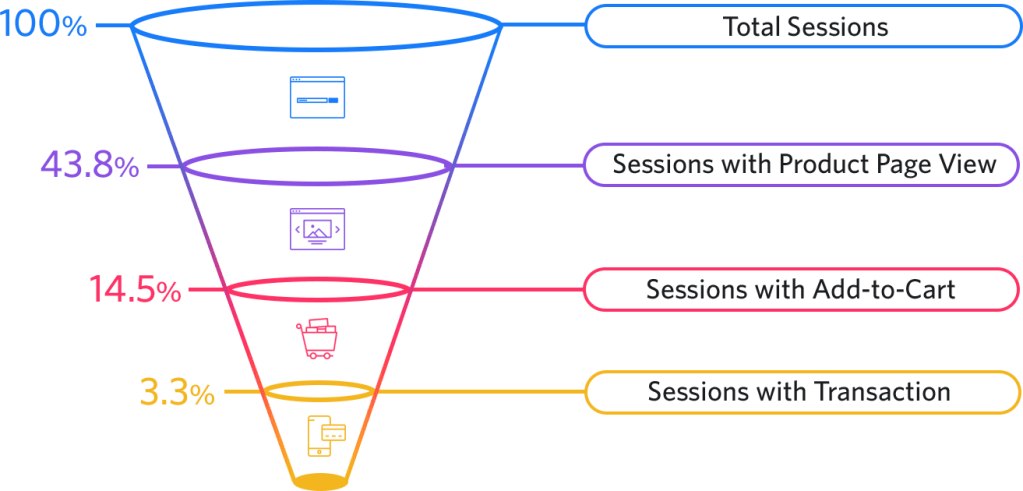
Re-engage your target audience at a critical point in their purchase journey. A study by Barilliance found that sending a cart abandonment email within one hour of abandonment results in a 20.3% conversion rate, compared to 12.2% if sent after 24 hours. Customers are already interested in your products at this stage, making converting them more straightforward than those at the top of the funnel.
While most e-commerce companies rely heavily on paid retargeting, email automation offers a cost-effective, highly personalized alternative to drive conversions. This strategy allows you to increase sales without inflating your ad budget, making it an ideal solution for businesses of any size.
Messaging Hierarchy Breakdown’
A CBD company recognized challenges in its market: overpriced products and a flood of low-quality competitors. By addressing these issues head-on in its messaging, it positioned itself as a trustworthy, high-value option in a crowded space. To differentiate itself, it focused on unique value propositions, such as its proprietary extraction process.
This targeted approach provides a blueprint for crafting browser abandonment emails tailored to specific industries. This process ensures precise control over purity and potency while maintaining affordability for a broad audience. The company’s browser abandonment emails directly address the top objections their customers face:
- The objection is concerns about pricing, with competitors offering cheaper and more expensive options. The benefit highlighted to overcome the objection was the company showcases its premium quality and affordability balance, helping customers see the value in their products.
2. The objection is the “hempy” aftertaste is often associated with CBD, which many brands try to hide with artificial flavors. The benefit highlighted to overcome the objections was their naturally flavored, strawberry full-spectrum CBD enhances taste without additives, resolving this concern.
3. The third objection was the difficulty choosing due to the overwhelming number of CBD options online. The benefit highlighted to overcome the objections are they build trust through strong social proof, including customer testimonials and a transparent mission to provide affordable, high-quality products.
Browser abandonment emails are perfect for overcoming objections because you can anticipate why they didn’t purchase your product while it was in your cart. Once you’ve re-engaged their interest, offering the right incentive can help close the sale.
Browser Abandonment Email Examples
Cart abandonment emails are one of the most effective tools in an online retailer’s arsenal, offering a personalized way to re-engage customers and drive them back to complete their purchase. Here’s an example of the copy you can write for the first email in your flow.
- Subject Line: The subject line should be concise, friendly, and specific enough to grab attention. It increases the likelihood of the email being opened, which is the first step to re-engaging the customer.
- Preview Text: [Currently missing—an opportunity to add a persuasive teaser that complements the subject line.] A strong preview text can boost open rates by giving readers a reason to click immediately.
- Email Body Copy: The body copy is short and effective, enticing readers to the product page with a discount offer and a question to create engagement. A compelling offer and engagement tactic keep the reader interested and moving toward action. However, incorporating personalization (e.g., referencing the product they viewed) and addressing objections (e.g., pricing, taste concerns) would enhance the email’s impact. Adding customer testimonials or social proof would also boost credibility.
- Line-to-Line Flow: Yes, the email moves the reader smoothly through its content. To improve further, the copy could highlight specific benefits of the product viewed or exclusive perks.
- CTA Analysis: The CTAs—“Use Code: SAFEOPT15” and “Keep Shopping” are clear but generic. Generic CTAs miss the opportunity to connect emotionally or practically with the customer’s specific intent. A more tailored CTA, such as “Redeem Your 15% Off on [Product Name]” or “Return to [Specific Product],” would make the action more compelling.
This next example shows how browser abandonment emails can tackle objections while reinforcing brand trust. This next example is perfect for showing how browser abandonment emails can tackle objections while reinforcing brand trust.
Second Browse Abandonment Email Subject line
When a shopper leaves your site without completing their purchase, it’s not the end of the story, even if there is an opportunity. Check out this example below:
- Subject Line: The subject line is engaging and effectively matches the purpose of the email. When the subject line aligns with the email’s message, it builds trust and sets the right expectations for the reader.
- Preview Text: [Currently underutilized—could include a snippet to create urgency or highlight an exclusive perk.] Preview text is a chance to amplify urgency or value, increasing the likelihood that readers will open and act on the email.
- Email Body Copy: The content effectively creates urgency with a discount offer, but the message could be even more potent by referencing the specific product or category the customer viewed. Personalized content demonstrates attention to the customer’s preferences, making the email more relevant and increasing engagement. Incorporating unique perks (e.g., free shipping or product guarantees) and providing customer support details could reassure hesitant buyers and encourage action.
- CTA Analysis: The CTA “SHOP WITH 20% OFF” aligns with the subject line but feels generic. A more specific CTA, like “Act Now to Save 20% on [Product Name],” could better reflect the customer’s browsing behavior and increase the likelihood of conversion. A more specific CTA, like “Act Now to Save 20% on [Product Name],” connects with the shopper’s original intent and is more likely to drive conversions.
- Social Proof: Highlighting social proof—like “38,000 positive reviews” and “2 million satisfied customers”—is a smart tactic. This reassures readers and boosts their confidence in the purchase decision.
This approach demonstrates how personalized email content can directly address customer pain points, building confidence in the purchase decision.
Browser Abandonment Email Examples Conclusion
Convert window shoppers into paying customers with browser abandonment emails. These emails are a proven, powerful way to recover lost sales opportunities by re-engaging visitors who left your site before completing their purchase.
To maximize their effectiveness, consider these strategies:
- Remind shoppers of the unique benefits of the product they viewed. It reinforces why they were interested in the first place, reigniting their motivation to buy.
- Recommend complementary or related products to meet their needs or spark new interest. You can increase cart value while addressing the shopper’s other needs or preferences.
- Offer incentives such as discounts, free shipping, or exclusive perks to overcome hesitation and encourage action. Incentives can remove common barriers to purchase, such as pricing concerns.
Retargeting site visitors with personalized, well-timed emails can dramatically boost conversions. You can build long-term customer loyalty by emphasizing your unique value proposition, reinforcing trust with social proof, and addressing customer objections. With these strategies, you’ll recover lost sales and who does not like more money.

 Freelance Web Writer
Leave a comment