
Let’s face it.
Customer churn is a harsh reality for any business. You invest time and resources acquiring customers, only to see some slip away. But what if you could reel them back in? That’s where win-back campaigns come into play. These targeted efforts are designed to re-engage inactive customers and rekindle their interest in your brand.
In this comprehensive guide, we’ll dive deep into the world of win-back campaigns, covering everything from understanding churn to crafting compelling strategies that deliver real results.
Why Win Back Campaigns Are Crucial
Ignoring re-engagement is like leaving cash on the table.
Customer acquisition costs up to 5x more than retention, and 26% of lapsed customers who return through win-back campaigns often double their lifetime value.
Beyond saving on acquisition costs, win-back campaigns typically deliver higher conversion rates. People who have already purchased from you or engaged with your brand are far more likely to respond to a compelling offer. According to Marketing Metrics, the probability of selling to an existing customer is 60-70%, compared to just 5-20% for new prospects. These campaigns tap into existing familiarity and trust, making it easier to reignite interest.
The benefits don’t stop there. A successful win-back strategy directly boosts Customer Lifetime Value (CLTV), extending the revenue potential of every recovered customer. Bain & Company reports that a mere 5% increase in customer retention can boost profits by 25% to 95%, highlighting the massive upside of re-engagement efforts. And win-back campaigns provide critical insights into why customers left in the first place, empowering you to address pain points, improve experiences, and prevent future churn.
Key Benefits of Win-Back Campaigns
Win-back campaigns offer a direct investment in building a stronger, smarter business.
| Benefit | Why It Matters |
|---|---|
| Lower Costs | Re-engaging past customers is far cheaper than acquiring new ones. |
| Higher Conversions | Warm leads are more likely to respond to personalized offers and incentives. |
| Increased CLTV | Recovered customers stay longer and spend more over time. |
| Actionable Feedback | Win-back efforts reveal why customers left and how to improve. |
| Stronger Loyalty | Returning customers can become brand advocates, driving referrals and reviews. |
Before launching a win-back campaign, segment your lapsed customers by past behaviors such as purchase history or engagement levels to create tailored, irresistible offers that speak directly to their needs.
Customers leave for all sorts of reasons. But that doesn’t mean they’re gone for good. With a thoughtful win-back campaign, you can recover lost revenue, boost profits, and even strengthen customer relationships for the long haul. Turn “goodbye” into “welcome back.”
Understanding Customer Churn
If you don’t know why customers are leaving, you’re wasting your time trying to win them back. Churn kills growth. Before you hit send on any win-back campaign, lock in on the real reasons people walk away and fix them. Here’s exactly what drives customers to ghost your brand and how to stop the bleeding (and the excuses).
Why Customers Churn (and How to Flip the Script)
| Reason for Churn | What Happens | How to Fix It |
|---|---|---|
| Weak Customer Service | Slow replies. Ignored tickets. Frustration builds. | Upgrade your support. Respond faster and communicate what’s improved. |
| Zero Engagement | Out of sight = out of mind. | Get personal. Reconnect with tailored emails, offers, and updates. |
| Price Wars | They found a cheaper option. | Compete on value. Offer bundles, perks, or loyalty rewards. |
| Needs Changed | What they loved isn’t relevant anymore. | Highlight new features, services, or solutions that fit their current needs. |
| Product Letdowns | Bugs. Glitches. Meh experiences. | Fix the issues. Then showcase what’s better and why it’s improved. |
| Vanishing Value | They stopped seeing the payoff. | Reinforce the wins. Remind them of the ROI and ongoing benefits. |
Churn is a warning. Before you fire up that win-back email, make damn sure you’ve handled the problem that drove them away. Solve it. Prove it. Then invite them back to something better than they left.
Identifying Lost Customers
How many customers are quietly slipping away while you’re busy chasing new ones?
With research showing that inactive customers make up nearly 60% of the average email list, the real money is in reactivation. But first, you’ve got to know exactly who’s gone quiet before you can bring them back.
Before crafting irresistible offers or firing off clever emails, identify exactly who qualifies as a “lost” customer. Without clear criteria, you’re just guessing. The key is setting specific, trackable benchmarks that tell you when someone’s gone quiet and it’s time to bring them back.
How to Spot Lost Customers
Before you can win customers back, you’ve got to know who’s gone quiet. Set clear benchmarks to flag inactivity and take action fast.
| Sign of Churn | What to Watch For | What to Do |
|---|---|---|
| Time Since Last Purchase | No purchases in 30, 60, or 90+ days (based on your sales cycle) | Trigger reminder emails or special offers to re-engage. |
| Lack of Engagement | No clicks, opens, or visits across emails, ads, and social | Test new subject lines, channels, or content to grab attention. |
| Subscription Cancellation | Customer actively cancels a membership or service | Follow up immediately with a retention offer or survey. |
| Account Inactivity | No logins, usage, or activity for weeks or months | Send a personalized check-in email or product update to spark interest. |
Automate inactivity tracking in your CRM or email platform, so you can step in before customers fully drift away. Spotting lost customers early gives you the best shot at bringing them back before they forget about you.
Segmenting Your Lost Customers
“If you’re talking to everyone, you’re reaching no one.” — Marketing Proverb
Not all lost customers are created equal. Treating them the same is how win-back campaigns flop. To maximize your impact (and ROI), you’ve got to break them into smart, strategic groups and target your messaging like a laser.
Smart Segments to Prioritize
Not all lost customers are the same. If you’re treating them like they are, that’s how win-back campaigns flop. Segmenting helps you target the right people with the right message, maximizing reactivations and ROI.
| Segment | What to Look For | How to Win Them Back |
|---|---|---|
| Reason for Churn | Price objections, product issues, poor support | Address their specific pain points. Show improvements, offer better value, or spotlight customer support upgrades. |
| Customer Value | High spenders or VIP customers | Offer exclusive perks, early access to new products, or premium discounts to make them feel valued. |
| Engagement Level | Lurkers vs. superfans who suddenly ghosted | Reignite interest with personalized messages and content based on what they loved before. |
| Product Usage | What they bought, used, or browsed | Recommend refills, upgrades, or complementary products with tailored offers. Remind them why they chose you. |
The tighter your segments, the better your results. Use your CRM or email platform to tag customers and trigger automated win-back flows based on these categories. Segmentation is what turns generic win-back campaigns into personalized, high-converting machines.
Know exactly who you’re talking to—and why they left—so you can give them a reason to come back.
Crafting a Winning Win-Back Campaign
A win-back email isn’t just a “Hey, come back!” plea. It’s a strategic, personalized offer they can’t ignore. The best campaigns feel like they were crafted just for them and that’s exactly the point.
| Strategy | How to Use It | Why It Works |
|---|---|---|
| Personalized Messaging | Use their name and reference past purchases or actions. | Feels personal and relevant, not mass-produced. |
| Offer Incentives | Provide exclusive discounts, trials, or bonuses. | Gives customers a tangible reason to re-engage. |
| Highlight Value | Remind them of the wins they experienced with your product. | Reinforces why they chose you in the first place. |
| Address Pain Points | Acknowledge previous issues and share how you’ve improved. | Shows you listen, care, and take action. |
| Create Urgency | Use time-limited offers or deadlines. | Encourages immediate action before the deal disappears. |
| Multiple Channels | Combine email, SMS, social, and even direct mail. | Meets customers where they are, increasing visibility. |
| Feedback Request | Ask why they left and how you can do better. | Opens the door to valuable insights while rebuilding trust. |
| Simplify the Process | Make reactivating accounts or repurchasing easy. | Reduces friction so there’s no reason not to return. |
Layer these strategies together for the best results. For example, pair a personalized email with an exclusive offer and a quick survey link to gather feedback while winning them back.
When you combine relevance, value, and simplicity, you turn lost customers into loyal ones, no gimmicks required.
Examples of Effective Win-Back Campaign Strategies
Want inspiration? Start here:
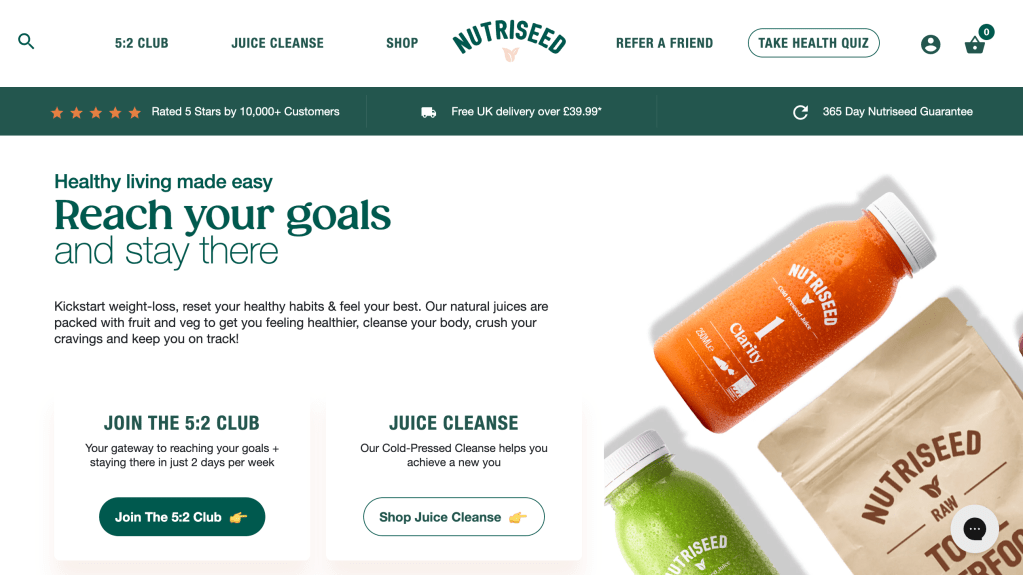
Nutriseed, a health-focused brand, implemented a cart recovery email campaign targeting customers who left items in their shopping carts. Their email featured a playful tone, emphasizing free shipping and a 365-day money-back guarantee to encourage customers to complete their purchases.
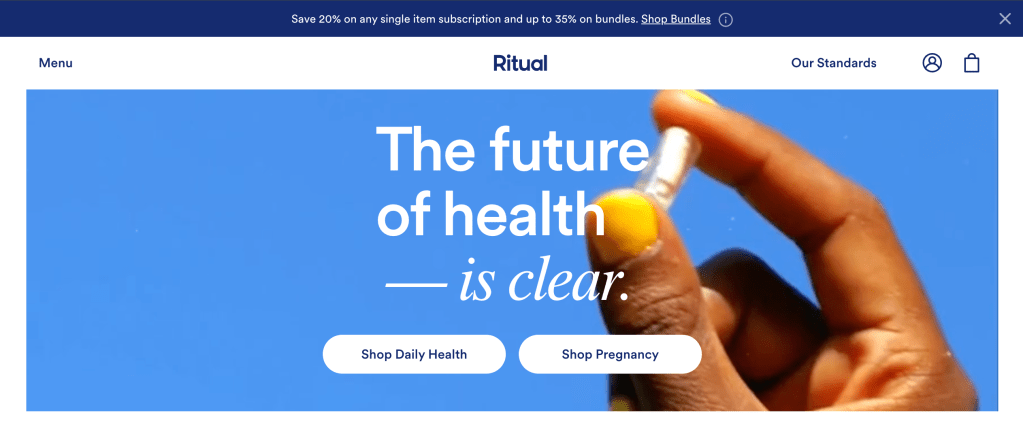
Ritual, known for its health products, crafted a re-engagement email highlighting the brand’s credibility. The email included vivid imagery and concise copy, mentioning the involvement of scientists and nutritional experts to build trust. They also offered a 50% discount to entice inactive subscribers to return.
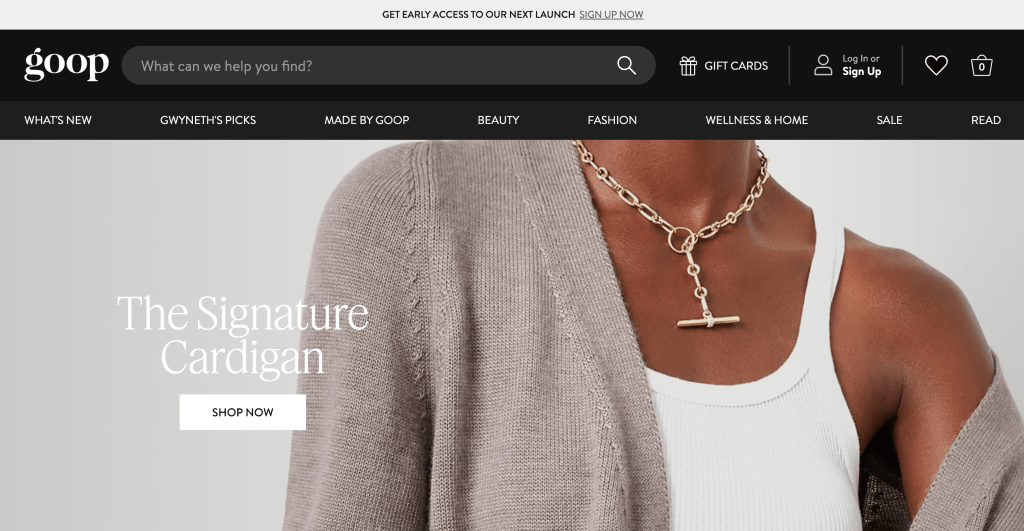
Goop, a wellness brand, sends personalized welcome emails to re-engage customers. Their emails often include a letter from the founder, Gwyneth Paltrow, and a list of promises and attributes to remind customers of the brand’s unique offerings.
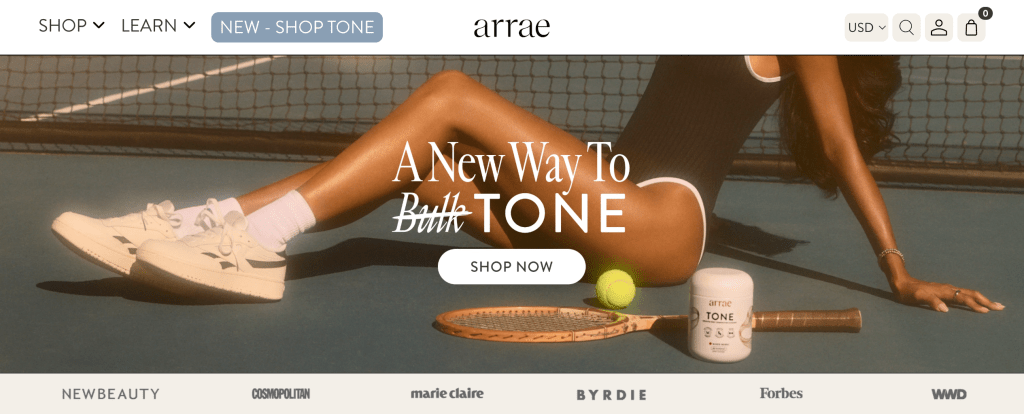
Arrae, a wellness company, used humor in their product launch emails to re-engage customers. Their emails lacked a CTA button, driving curiosity, and included a giveaway encouraging users to reply, thereby increasing engagement.
Real win-back success is built on variety. By mixing emotional appeals, feedback requests, and value-packed updates, you create multiple paths for lost customers to say, “Yeah, I’m ready to come back.”
Measuring and Analyzing Results
If you’re not tracking results, you’re guessing. And guessing doesn’t grow your business. To know what’s working and where you’re leaving money on the table, monitor these key win-back campaign metrics:
| Metric | Why It Matters | What to Watch For |
|---|---|---|
| Reactivation Rate | Tracks how many lapsed customers return. | Low? Rework your offer or timing. |
| Conversion Rate | Measures how many reactivated customers buy. | High reactivations but low conversions? Sweeten the deal. |
| Customer Lifetime Value (CLTV) | Shows long-term revenue from recovered customers. | Flat? Upsell and cross-sell more effectively. |
| Feedback Response Rate | Tells you how many share why they left. | Low? Simplify your feedback requests. |
| Churn Reduction | Reveals if you’re actually keeping people. | If churn stays high, check your core experience. |
Data is the playbook. Track, tweak, and optimize every campaign. What works today might flop tomorrow, but your metrics will always show you the next move.
Check these metrics monthly, and always after major campaigns. Use analytics tools like Google Analytics, Glew.io, and your email platform’s built-in reports to stay on top of performance.
Tracking is just the first step. The real magic happens when you analyze your results and adjust your strategy.
- Tweak your subject lines.
- Refresh your offers.
- Refine your timing.
Test, learn, and optimize until your win-back engine runs on autopilot and your lost customers turn into loyal buyers again.
Tools and Technologies
The right tools transform win-back campaigns from manual hustle to automated growth. With the right tech stack, you can identify churn risks, re-engage customers at scale, and track what’s working in real time. Here’s what to have in your toolkit:
| Tool Category | Examples | Purpose |
|---|---|---|
| CRM Systems | Klaviyo, HubSpot, Drip | Track and segment lapsed customers based on behaviors, purchases, and engagement. |
| Email Marketing | Mailchimp, Omnisend | Automate personalized win-back emails, A/B test messaging, and monitor re-engagement rates. |
| Marketing Automation | ActiveCampaign, Iterable | Create multi-channel win-back workflows across email, SMS, and push notifications. |
| Analytics Platforms | Google Analytics, Glew.io | Spot churn patterns, track conversions, and identify high-risk customer segments. |
| Feedback Tools | Typeform, Hotjar | Collect exit surveys and customer feedback to uncover why people left and how to improve. |
Choose tools that integrate seamlessly with your e-commerce platform to keep customer data connected and your workflows running smoothly.
These platforms work together to make sure no customer slips through the cracks. They help you track behavior, automate timely follow-ups, and personalize your messaging, so you can recover lost revenue without reinventing the wheel every time.
By investing in the right tools now, you’re setting up your win-back campaigns to scale, save time, and drive real growth. Invest in your tech stack so you can scale your strategy, work smarter, and never let a customer slip away unnoticed.
Win-Back campaigns Key Takeaways
At the end of the day, winning back lost customers is a growth strategy. When you understand why they left, segment them smartly, and hit them with personalized, high-value messaging, you turn dead leads into repeat buyers and boost your bottom line without the high cost of constant acquisition.
Don’t just let lost customers drift away. With the right strategy, every ‘goodbye’ is just the start of a comeback story. Ready to build your win-back list?
Start with your top churn reasons.

 Freelance Web Writer
Leave a comment