
Look, nobody likes thinking about Google updates. They’re messy, disruptive, and often feel totally out of your control.
But ignoring them? That’s how websites die.
Google is constantly tweaking its algorithm to serve better, more relevant results. Sometimes these are tiny, barely noticeable changes. Other times, they’re massive core updates that send shockwaves across entire industries.
And when those big ones hit, sites that aren’t prepared lose rankings fast.
Here’s why staying ahead of Google updates matters:
- They can wipe out your organic traffic overnight.
- SEO strategies that worked last year might not work tomorrow.
- The sooner you understand what’s happening, the faster you can adapt.
If Google is the gatekeeper to your audience, then updates are the rules of the game. The good news?
You just have to know where to look.
1. Search Engine Roundtable
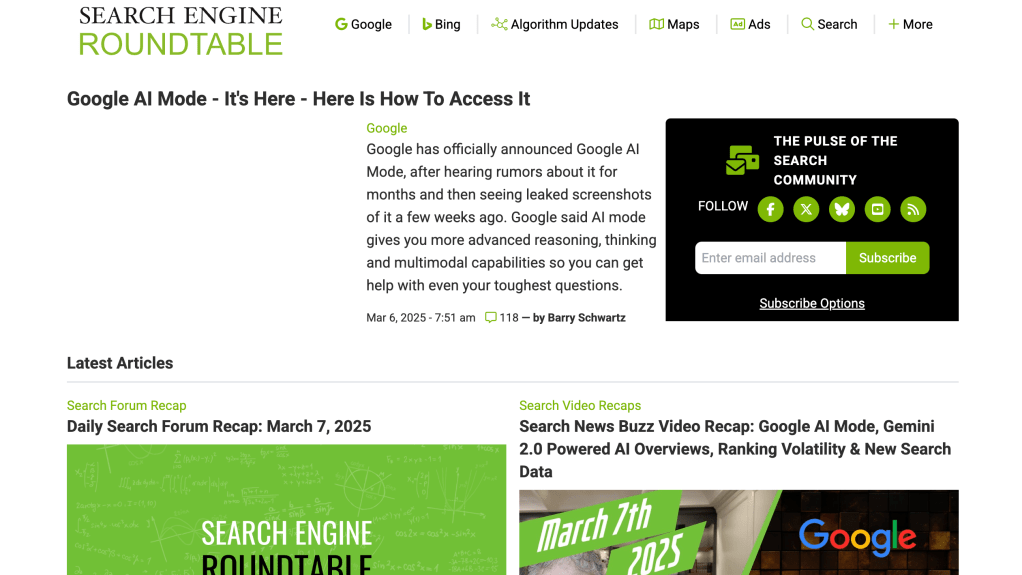
If there’s chatter in the SEO community, you’ll hear it here first. Barry Schwartz, who runs Search Engine Roundtable, is basically the internet’s watchdog for Google updates. He’s constantly collecting insights from SEOs, tracking ranking fluctuations, and posting observations before anyone else.
Why Search Engine Roundtable essential:
- Early signs of unconfirmed updates.
- Real-world case studies from SEOs seeing changes.
- Daily coverage of search news.
👉 Check out Search Engine Roundtable
2. Google Search Central’s Ranking Updates Page
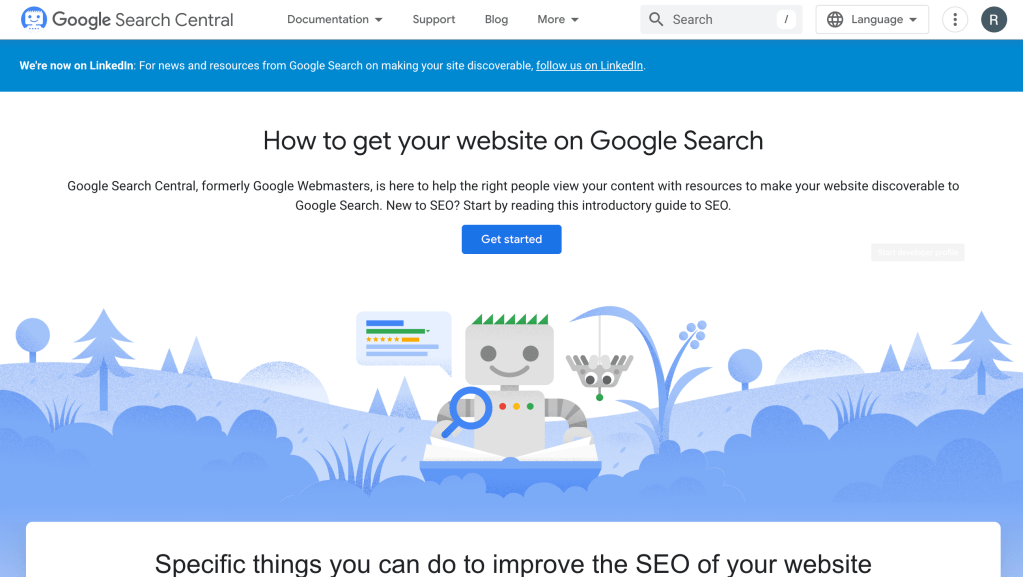
This is Google’s official record of confirmed updates. If an update is significant enough, Google will document it here with rollout dates and details. It’s the most reliable place to check whether Google has confirmed a change.
Why is Google Search Central essential:
- Directly from Google.
- Timeline of core updates, helpful content updates, and product reviews updates.
- Links to best practices.
👉 Check out Google Search Central
3. The Keyword – Google’s Blog
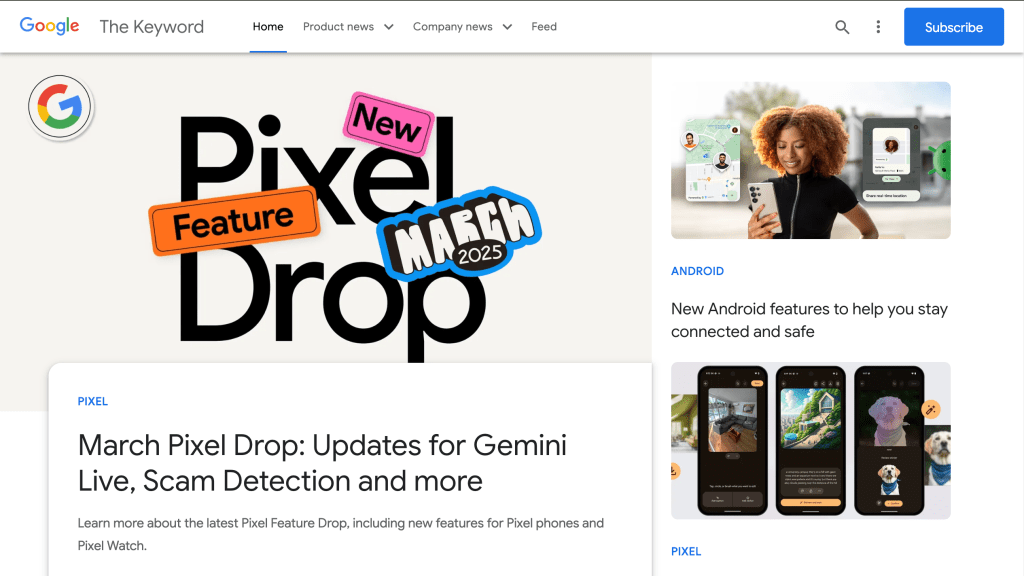
The Keyword isn’t focused entirely on SEO, but it’s where Google shares big-picture news like AI developments, new search features, and product rollouts. These changes might not be labeled as “algorithm updates,” but they often impact how people search and interact with Google.
Why the Keyword is essential:
- Official announcements on new features.
- Insights on Google’s broader goals and vision.
- Great for seeing what’s coming next.
How to Protect Your Site From Google Updates
Once you’re tracking updates, the next step is making sure your site is as “update-proof” as possible. While there’s no way to guarantee your rankings won’t take a hit, there are some tried-and-true strategies that help sites weather almost any algorithm storm.
1. Build Content for People, Not Algorithms
This should be obvious by now, but if your content only exists to chase keywords, it’s living on borrowed time. Google’s updates keep rewarding:
- Original insights and perspectives.
- Helpful, thorough answers to real questions.
- Content written by actual experts.
Ask yourself: Would you find your page helpful if you were searching for that topic? If the answer is “meh,” Google probably thinks so too.
2. Watch for Volatility (and Don’t Panic)
Tools like Semrush Sensor, MozCast, and Accuranker’s Grump track real-time SERP volatility. If they’re all lighting up red, something’s happening.
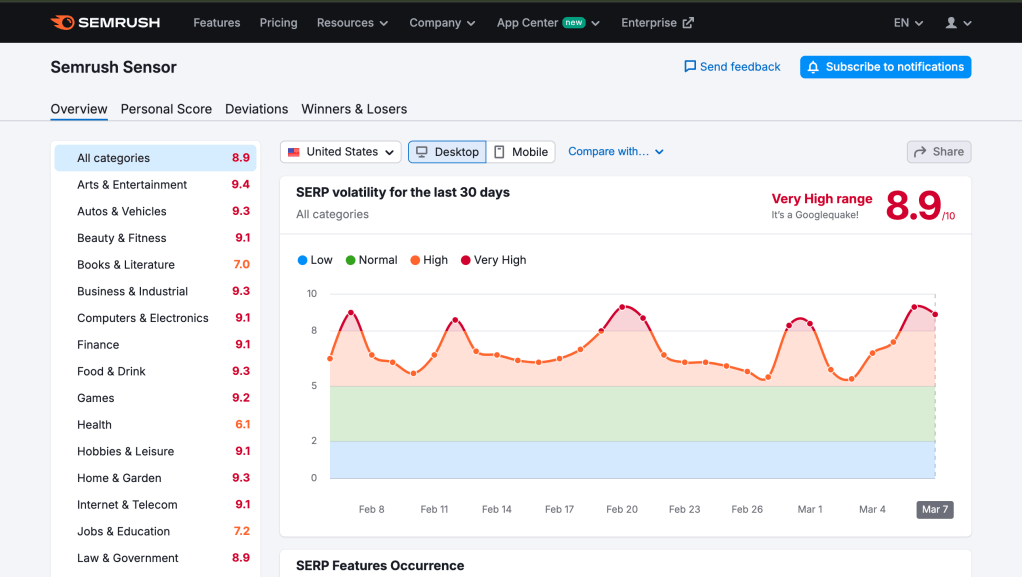
Don’t make knee-jerk changes the second you see rankings dip. Wait, gather data, and confirm whether it’s part of a broader trend. Sometimes rankings bounce back on their own once the dust settles.
3. Keep Your Site in Top Technical Shape
Updates are a great reminder to audit your site. Regularly check for:
- Slow page load times.
- Broken links.
- Mobile usability issues.
- Outdated content.
Google’s goal is to serve users the best experience possible. Make sure your site deserves to be there.
Staying Ahead of Google Updates Is the Job
The biggest mistake? People think SEO is something you “set and forget.”
The truth is, SEO is maintenance. It’s keeping an eye on the horizon, listening to the community, watching Google, and being ready to act when things shift.
Google updates aren’t going away. But if you make tracking them part of your routine, and build your site on a foundation of quality, you’ll thrive with the next update.

 Freelance Web Writer
Leave a comment